March Highlights from Humanities and Social Sciences Communities
Published in Social Sciences, Sustainability, and Education
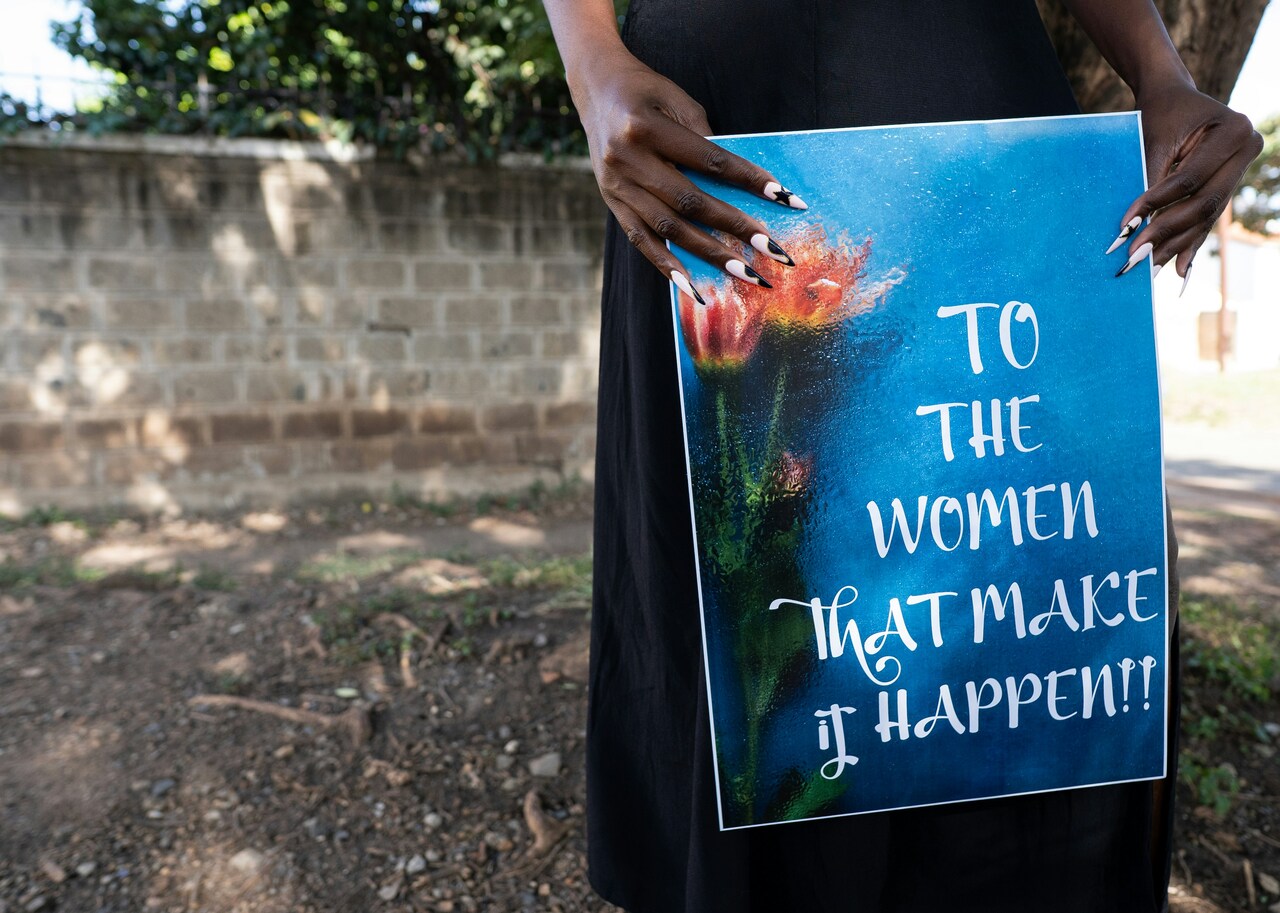





Looking back at March, I’ve really enjoyed seeing how conversations across the Research Communities have centered on equity, inclusion, and the systems that shape opportunity, from women’s entrepreneurship and disability in AI to parenting, policy, and climate justice. Here are a few highlights worth exploring!
If something resonates with you, do take a closer look and feel free to join the conversation in the comments!
International Women’s Day 2026
To mark International Women’s Day 2026 and its theme ‘Give to Gain’, @Liz Barlow and the SDG 8 team at Springer Nature invited a group of authors to share their research and reflections on women’s entrepreneurship.
Give to Gain: Why Investing in Women Entrepreneurs Strengthens the Global Economy
@Glory Enyinnaya
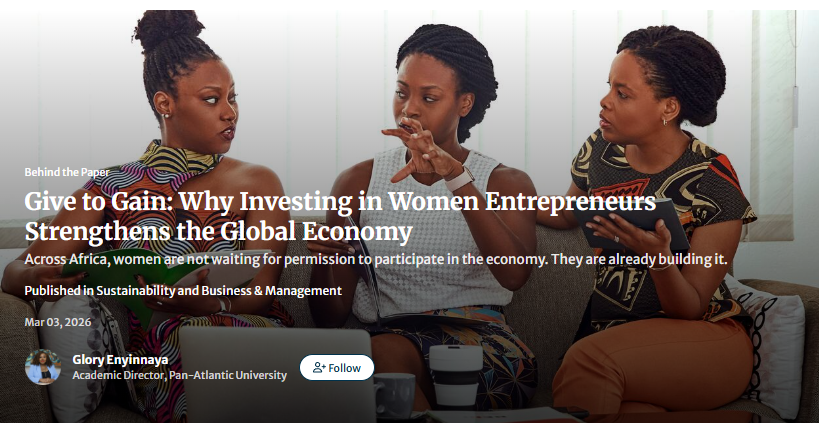
This post makes a clear, evidence‑based case for why investing in women entrepreneurs is not just a matter of fairness, but a smart economic choice. Drawing on insights from the book Women’s Entrepreneurship and the Global Economy, the author shows how supporting women‑led businesses can strengthen productivity, resilience, and long‑term growth at the global level.
Read the full post to find out more about why supporting women entrepreneurs is a smart investment for the global economy. You can also learn more about this topic in this research seminar on the role of technology and financial inclusion.
What Community-Level Features May Promote Entrepreneurial Opportunity for Rural Women?
@Jason Entsminger @Heather Stephens @Xiaoyin Li
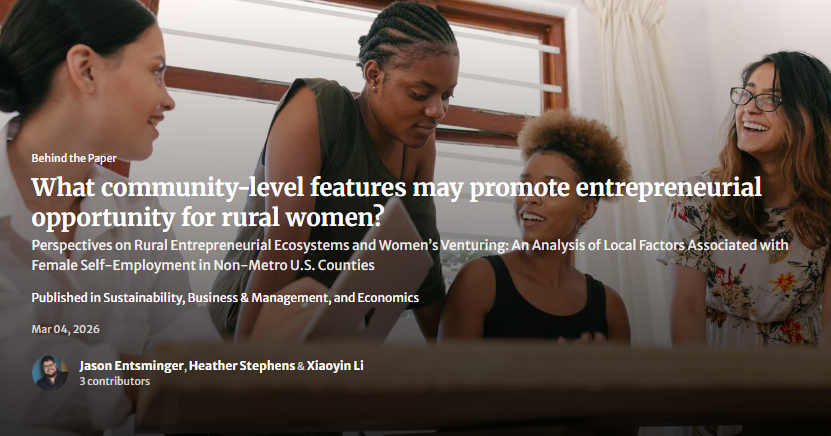
Focusing on rural women, this post explores how entrepreneurial opportunities are shaped by community-level conditions rather than individual effort alone. Based on an article published in Small Business Economics, the post introduces how factors such as local networks, access to resources, and institutional support influence women’s ability to start and sustain businesses in rural areas.
Read the full post to understand how place and community shape women’s opportunities to start and grow businesses.
Together, these two posts highlight why women’s entrepreneurship matters for the global economy and how opportunities are created or constrained. For a broader perspective on gender, entrepreneurship, and inclusive growth, Liz’s International Women’s Day blog brings together additional research and reflections across these themes. Find more related readings in the Gender Studies Topic page and SDG 8: Decent Work!
Disability and the Metaeugenic Heart of AI
@Rua Williams
As part of the Social Science Matters campaign released shortly after the Disability Day of Mourning in March, this interview discusses the hidden legacies of eugenics within AI technology, especially how these harmful ideas affect disabled individuals. Based on her book Disabling Intelligences: Legacies of Eugenics and How We Are Wrong about AI, the author explains how deeply rooted eugenic thinking influences AI design and deployment, often reinforcing harmful norms, excluding disabled lives, and ignoring systemic biases.
Read the full post to learn why deeper ethical reflection, more inclusive technology, and centering disabled voices are essential in AI policy and design.
Diverse Views in Science | My Child Is Growing Up, How Do I Grow with Them?
@Emily Draper @Stephen Davey
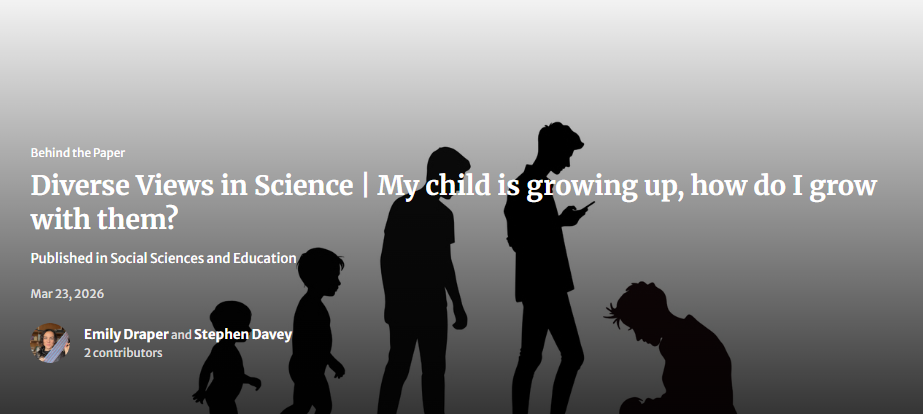
Imagine your child begins primary school and your routine changes completely: drop-off, pickup, split schedules, holidays… You suddenly feel how much the school system shapes your life. This post discusses how parenting changes over the long term. Drawing on the Nature Reviews Chemistry ‘Growing Pains’ comment piece, the authors explore how life stages intersect with scientific careers and how academic culture can adapt to support people at different phases.
Read the full post to reflect on how evolving life responsibilities shape our identity and careers in science.
From Values to Votes: How Justice Shapes Climate Policy Preferences
@Kristiina Joon
This Behind the Paper post highlights how ideas of fairness directly influence which climate policies people support. Based on a Communications Earth & Environment study surveying over 2,200 respondents, the authors demonstrate that most people consider fairness just as important as effectiveness when evaluating climate proposals. They explore different justice perspectives like equal outcomes, limiting extreme wealth, ensuring everyone gets a fair minimum, and maximizing overall welfare.
Read the full post to see why justice matters in designing climate policies that win public backing.
These posts reflect the range of perspectives emerging across the Humanities & Social Sciences Communities from individual experiences to broader systems shaping society. Together, they offer a snapshot of how research continues to inform the way we think about fairness, opportunity, and change.
If something here catches your attention, it’s well worth exploring the full posts and following the conversations that continue to unfold across the Communities!
Further readings:

Supporting Humanities and Social Sciences research area on the Research Communities platform. I’d love to hear from you and connect!
Follow the Topic
-
Small Business Economics

Small Business Economics: An Entrepreneurship Journal (SBEJ) publishes original research addressing all aspects of entrepreneurship and small business economics, with a special emphasis on the economic and societal relevance of research findings for scholars, practitioners and policy makers.
-
Nature Reviews Chemistry

This journal aims to cover both the traditional core subjects of the field — organic, inorganic, physical and analytical chemistry — while also providing insight to non-specialists where chemistry is a significant component of interdisciplinary research.
-
Communications Earth & Environment

An open access journal from Nature Portfolio that publishes high-quality research, reviews and commentary in the Earth, environmental and planetary sciences.
-
Palgrave Macmillan is a world-class publisher of books and journals with more than 175 years’ experience in the Humanities and Social Sciences.
Related Collections
With Collections, you can get published faster and increase your visibility.
Climate extremes and water-food systems
Publishing Model: Open Access
Deadline: May 31, 2026
Drought
Publishing Model: Hybrid
Deadline: Jun 30, 2026

Please sign in or register for FREE
If you are a registered user on Research Communities by Springer Nature, please sign in