SDG 3 Newsletter: Substance Use
Published in Social Sciences, Sustainability, and Public Health

This newsletter primarily champions SDG 3.5, Substance Abuse.
Psychoactive substance use: time to rethink?
As interest grows in the therapeutic potential of substances like cannabis, ketamine and psilocybin, can clinical trial registries help separate evidence from hype and provide a more balanced understanding of their benefits and risks?
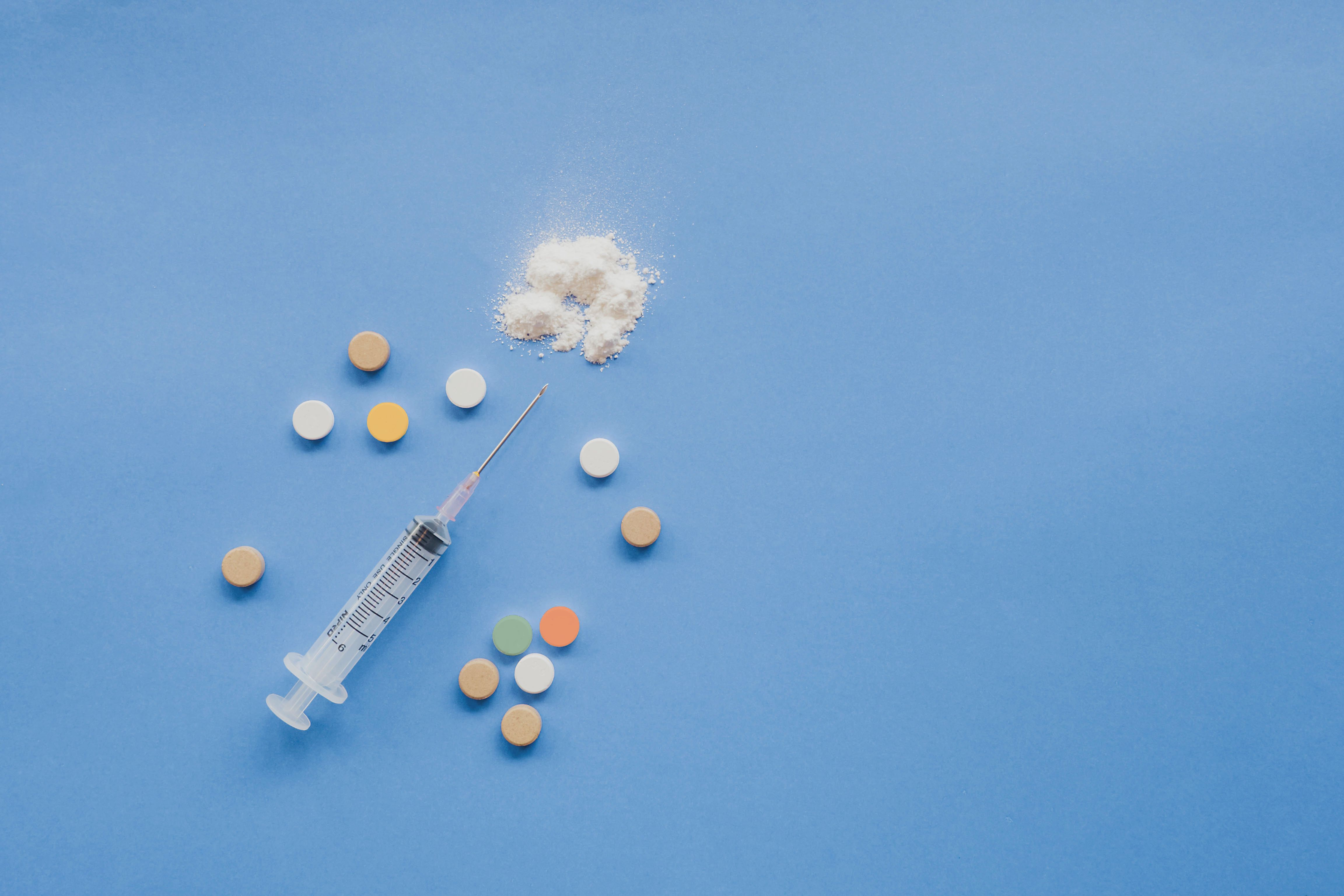
National Overdose Awareness Day
In honour of National Overdose Awareness Day on August 31, this blog discusses the successes and struggles of overdose prevention initiatives in the United States.
Role of Primary care in Relapse and recovery
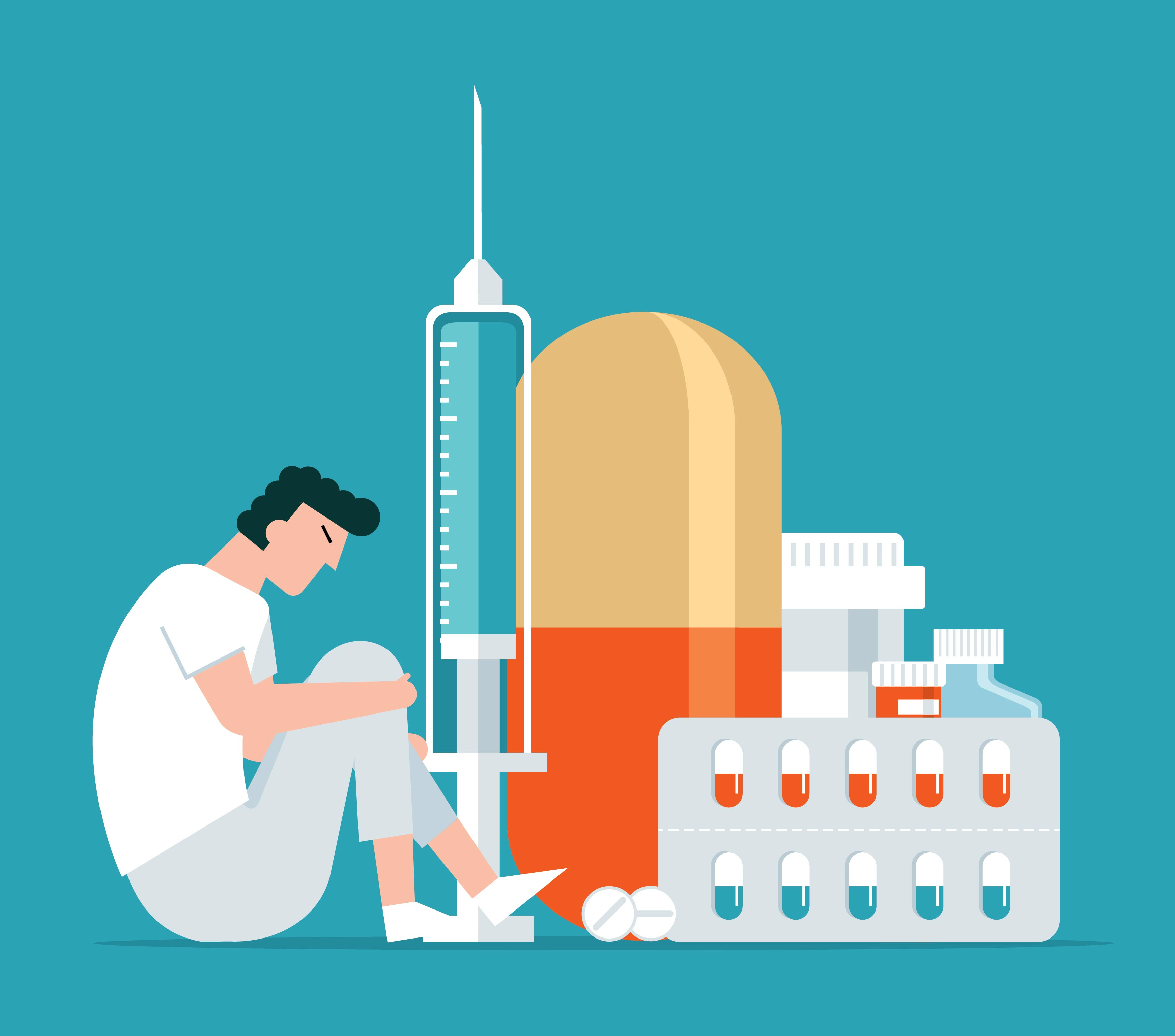 Relapse in substance use disorders is increasingly understood not as failure but as a manageable, chronic condition, with new evidence showing that primary care can reduce recurrence through early screening, stigma‑free support, lifestyle counseling, and integration of mental health, social networks, and nutrition into routine care.
Global Perspectives on Chemsex in LGBTQ+ Health

Meet the Editor: Dr Rayner Kay Jin Tan
 What are the biggest priorities in LGBTQ+ health research today? Meet Deputy Editor Dr Rayner Kay Jin Tan as he discusses equity, representation, and the importance of highlighting emerging areas such as chemsex research.
Integrated Perinatal and Postnatal Strategies for Infants with Prenatal Substance Exposure
This collection in Maternal Health, Neonatal and Perinatology highlights the growing need for integrated, family-centred approaches to support infants with prenatal substance exposure and their mothers, bringing together research on neonatal care, developmental outcomes, and multidisciplinary models that improve long-term health and wellbeing.
Substance use in dentistry
This blog posts draws together content from across the BDJ Portfolio to highlight how substance use in dentistry doesn't solely affect patients but amongst dental professionals too.
In Other News...
Nutraceuticals collection
This collection from the European Journal of Applied Physiology explores the use of nutraceutical supplements in sports. Although frequently utilized to enhance performance and improve muscle and whole-body recovery, there is often a deficiency of high-quality, evidence-based research supporting their function and safety.
Substance use disorders and addictions
In this collection from Scientific Reports substance use disorders (SUDs) refer to mental disorders, whereby affected individuals are unable to control their use of substances, such as nicotine, alcohol, drugs, or specific medications. SUDs and related addictions are a major public health concern, affecting people’s health and well-being at all ages.
The baffling science of SSRIs
The world’s most popular antidepressant drugs are under fire. But are they really harder to quit than heroin? Read more in this Nature news feature.
E-cigarettes and the comparative politics of harm reduction
In this interview (part of a series from the OA books group) Co-Editor, Virginia Berridge, of the OA Book E-cigarettes and the comparative politcs of harm reduction, discusses the first in-depth study of the history and current debates surrounding electronic cigarettes comparing the UK, US and Australia.
SDG 5 Breaking Barriers
After two years, Breaking Barriers for Gender Rights and Justice through Research returns this September for the third edition of Springer Nature's free virtual conference exploring progress, challenges, and opportunities related to SDG 5: Gender Equality.
Get involved!
If you would like to be involved with our SDG 3 initiatives, contact me or Amy Joint. Follow me, Virginia Mercer, and Amy Joint on Research Communities to be notified of future SDG 3 newsletters.
With special thanks to this newsletter's contributors: Emma Campbell, Sophie Gray, Amy Joint, Tamara May, Rita Moreira, Eshita Paul, Priya Sharma, Danielle Yates.
Follow the Topic
-
Nature
A weekly international journal publishing the finest peer-reviewed research in all fields of science and technology on the basis of its originality, importance, interdisciplinary interest, timeliness, accessibility, elegance and surprising conclusions.
-
Scientific Reports
An open access journal publishing original research from across all areas of the natural sciences, psychology, medicine and engineering.
-
ISRCTN: The UK’s Clinical Study Registry
A primary clinical trial registry recognised by WHO and ICMJE that accepts studies involving human subjects or populations with outcome measures assessing effects on human health and well-being, including studies in healthcare, social care, education, workplace safety and economic development.
-
BDJ In Practice
BDJ In Practice aims to inform its readers of ideas, opinions, developments and key issues for dentists in practice. From regulation to leadership, campaigning to compliance, BDJ In Practice has it covered.
-
BDJ Team
BDJ Team is a UK-based online-only publication featuring high quality content relevant to all members of the dental team.
-
Maternal Health, Neonatology and Perinatology
This is an open access, peer-reviewed journal that considers articles on topics related to the physiological and pathological conditions of women during preconceptional, perinatal, and postpartum periods; and of fetuses and newborn infants during and beyond their initial hospital stay.
-
British Dental Journal
This is an international, peer-reviewed journal for the dental community, published by Springer Nature on behalf of the British Dental Association.
-
European Journal of Applied Physiology
European Journal of Applied Physiology aims to promote advances in integrative and translational physiology to further understanding of the functioning of healthy humans.
-
Global LGBTQ+ Health
Global LGBTQ+ Health is an open access, peer reviewed journal, dedicated to publishing research that advances the understanding and improvement of health outcomes for LGBTQ+ individuals.









📢 Introducing: # Mental Health
Mental Health is a Topic created to increase visibility and impact of research in this area and facilitate exchange amongst researchers.
Continue reading announcementRelated Collections
With Collections, you can get published faster and increase your visibility.
Phytochemicals and health
Publishing Model: Open Access
Deadline: Oct 28, 2026
Novel Interventions to Improve Survival in Preterm Neonates
This Collection focuses on a topic central to every neonatologist’s practice: highlighting recent advances, interventions, and protocols that improve intact survival among neonates born at less than 37 weeks’ gestational age. Because these infants require highly specialized care, management strategies used for more mature neonates often cannot be directly applied. This Collection aims to showcase how care differs for this vulnerable population and to emphasize the innovations that are reshaping preterm neonatal management.
A particular emphasis is placed on management strategies and scalable care models suitable for low-resource settings. The Collection will critically examine current practices in neonatal intensive care units across diverse global contexts and explore the reforms needed to optimize outcomes for preterm infants. The emerging role of artificial intelligence in guiding the management of these neonates will also be addressed.
Neonatal mortality represents a substantial proportion of under-five mortality worldwide, with prematurity as a leading contributor. Accordingly, this issue will highlight not only postnatal treatment strategies, but also antenatal preventive approaches aimed at reducing the incidence of prematurity and improving the likelihood of neurologically intact survival when preterm birth does occur.
By integrating these various strategies and focusing on both preventive and therapeutic intervention points, this issue seeks to provide a comprehensive overview of current practices, advancements, and future research opportunities in the care of this high‑risk subgroup of neonates.
This Collection supports and amplifies research related to SDG 3: Good Health and Well-Being.
All submissions in this Collection undergo the journal’s standard peer review process, and all manuscripts authored by a Guest Editor(s) are handled by the Editor-in-Chief. As an open access publication, this journal levies an article processing fee (details here). We recognize that many key stakeholders may not have access to such resources and are committed to supporting participation in this issue wherever resources are a barrier. For more information about what support may be available, please visit OA funding and support, or email OAfundingpolicy@springernature.com or the Editor-in-Chief.
Publishing Model: Open Access
Deadline: Jan 08, 2027