Sol-Moiety: Discovery of a Water-Soluble Prodrug Technology for Enhanced Oral Bioavailability of Insoluble Therapeutics
Published in Chemistry


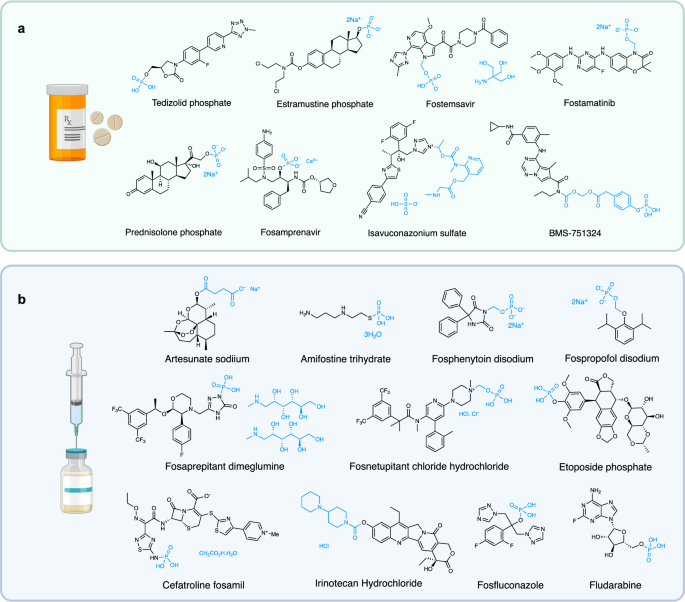

Success in pursuit of innovation is often costly. This sentiment is particularly relevant in drug discovery, where the pursuit of more potent and selective molecules frequently comes at the cost of solubility. Alarmingly, about 90% of drugs in development are poorly water-soluble, leading to high variability in bioavailability and potential lack of efficacy1.
During my time at the Medicinal Chemistry Nucleus at the Sarafan ChEM-H Institute at Stanford University, I focused on developing phosphonoxymethyl prodrugs. While these compounds showed promise, they faced significant challenges, including synthesis difficulties and rapid in vivo cleavage that often compromised their effectiveness. Additionally, their limited functional group compatibility restricted potential applications, highlighting the need for more stable and versatile prodrug designs. My supervisor, Dr. Mark Smith, proposed a novel approach to water-soluble prodrugs aimed at enhancing oral bioavailability by controlling phosphate hydrolysis rates through specific substitutions on a benzyl-alcohol scaffold. He termed this design the "Sol-moiety."
In the beginning, we directed our synthetic efforts toward compounds containing both a carboxylic and a phosphate group at different positions. Once we identified the ideal positions for both groups, we then explored the effects of increasing steric bulk ortho to the phosphate group. In our initial observations, we noticed that the presence of the carboxylic acid was particularly crucial, as it ensured solubility at pH levels above 6.5, which is typical for the small intestine, where drug absorption primarily occurs. This strategic design was intended to maximize the therapeutic potential of our prodrugs in a physiological environment.
After synthesizing the compounds, we turned our attention to evaluating their permeability. We performed a permeability assay in Caco-2 cells, confirming that cleavage occurred in the apical chamber, with only the parent drug detected in the basolateral chamber. This initial success paved the way for pharmacokinetic studies, where we verified the oral bioavailability of several Sol-moiety-drug conjugates in mice using saline solution as a vehicle.
Then, to investigate the steric effects on the phosphate group, we arbitrarily chose to focus on enzalutamide analogs. Herein, we found the kinetic rate of hydrolysis, by human placental alkaline phosphatase, to directly correlate to steric size. The impact of these substitutions was quite pronounced, with a 20% improvement in oral bioavailability of the methyl substituted Sol-enzalutamide (1iii) relative to the unsubstituted Sol-enzalutamide (1i) and double that observed for enzalutamide using a traditional cellulose-based formulation (Fig 5.)2.
Although we showed the technology also worked well on Vemurafenib, where a 15-fold increase in oral bioavailability was observed, we chose to test the technology on one of the most famous insoluble therapeutics known, paclitaxel2. Paclitaxel is one of the most widely prescribed chemotherapeutics for the treatment of many different forms of cancer. Currently, it is administered with a Cremophor-EL® ethanol mixture, resulting in hypersensitivity if not pre-dosed with corticosteroids. We were happy to see that our Sol-paclitaxel prototype (8i) showed modest bioavailability when dosed in a saline solution. However, I noticed that the compound would precipitate upon standing, leading me to run a solubility experiment that revealed it was only soluble at 0.1 mg/mL in an aqueous solution at pH 6.5. This raised the question of whether we would be able to enhance the oral bioavailability by improving solubility at pH 6.5, prompting us to synthesize the phosphonate analog (8vi). Fortunately, this compound showed excellent solubility at pH 6.5 (>50 mg/mL) and had excellent mouse oral bioavailability by oral gavage in saline solution2.
Motivated by this result, we performed an efficacy study using oral Sol-paclitaxel 8vi in the pancreatic BxCP-3 tumor model. After a month of anticipation, the results arrived confirming superior tumor growth inhibition relative to IV paclitaxel. To my knowledge, this is the first example of an oral efficacy study using a water-soluble prodrug of paclitaxel.
This journey, like any scientific journey, is the result of years of imagination, hard work, and perseverance fueled by passion and diligence. This project not only highlights the power of innovative thinking in addressing longstanding challenges in drug discovery, but it also demonstrates the collaborative effort needed to turn theoretical concepts into transformative technologies. The implications of this technology for future drug development are promising and should—we hope—replace sophisticated formulation strategies currently used in the pharmaceutical industry providing patients with a more convenient administration of highly potent therapeutics.
References
- Kalepu S, Nekkanti V. Insoluble drug delivery strategies: review of recent advances and business prospects. Acta Pharm Sin B. 2015.
- Karbasi, A.B., Barfuss, J.D., Morgan, T.C. et al.Sol-moiety: Discovery of a water-soluble prodrug technology for enhanced oral bioavailability of insoluble therapeutics. Commun.15, 8487 (2024).
- Iryna Imago/iStock via Getty Images (Poster Image)
Follow the Topic
-
Nature Communications
An open access, multidisciplinary journal dedicated to publishing high-quality research in all areas of the biological, health, physical, chemical and Earth sciences.

Related Collections
With Collections, you can get published faster and increase your visibility.
Women's Health
Publishing Model: Hybrid
Deadline: Ongoing
Tumor Microenvironment Crosstalk and Therapeutic Implications
Publishing Model: Hybrid
Deadline: Nov 02, 2026