Virtual Reality: a potential tool for new forms of queer and trans embodiment
Published in Social Sciences, Computational Sciences, and Arts & Humanities






Metaverse Hype
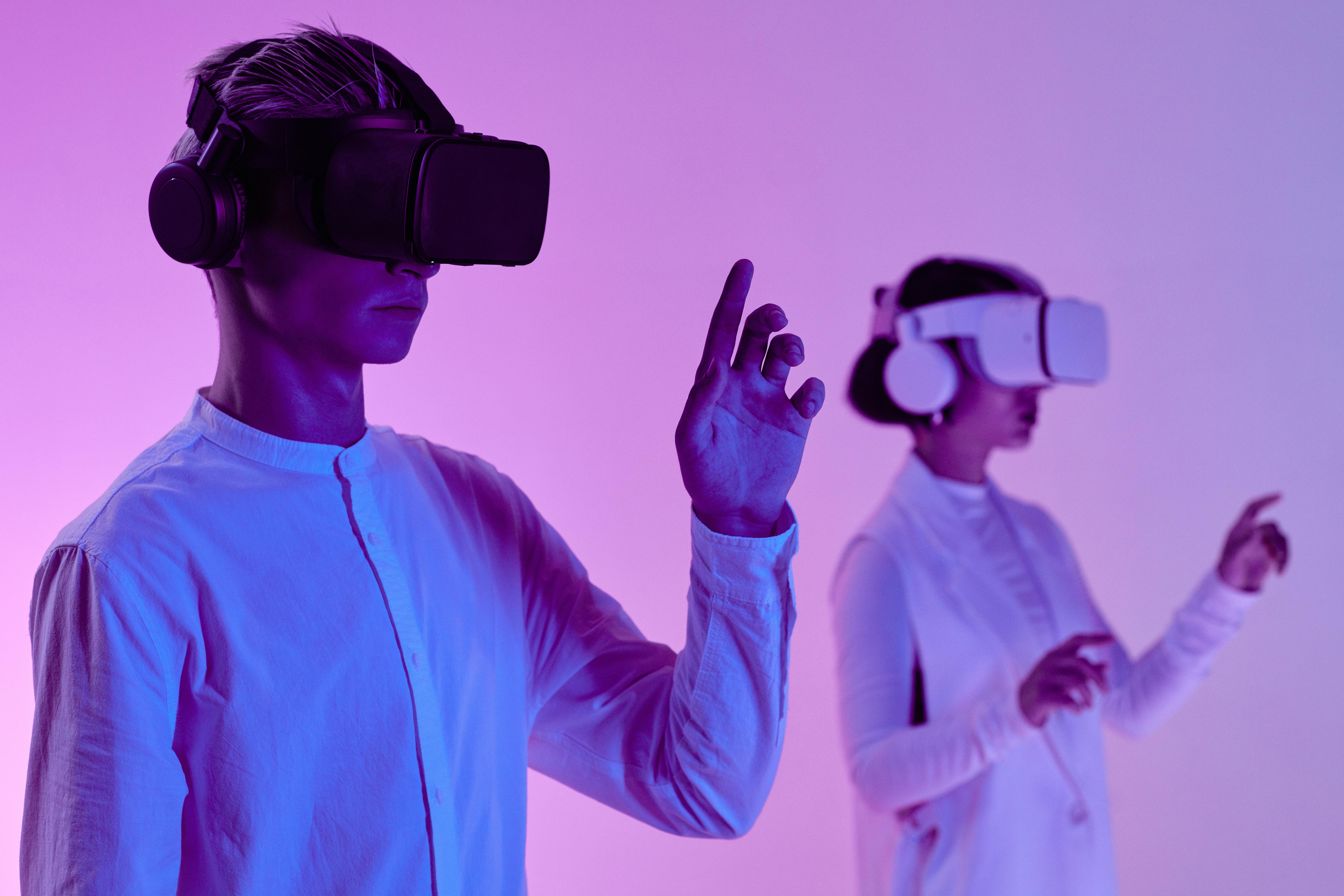
In 2021, the metaverse was suddenly everywhere. From Disney to dating, it seemed like every industry that could pivot to incorporate the metaverse did so, in large part fueled by the COVID-19 pandemic. Pitched as the future of the internet, the metaverse is typically described as a fully connected virtual space where everyone uses animated avatars to connect and interact.
One of the biggest names in the tech industry, Facebook, rebranded itself to Meta, no longer pitching itself as a social media company, but instead as a metaverse company. Tech CEOs like Tim Sweeney (Epic Games) and Mark Zuckerberg (Meta) are investing heavily in the future technology, with Zuckerberg describing the metaverse beyond socializing and entertainment.
Describing it as “an embodied internet,” Zuckerberg frames the metaverse as not just the future of tech, but of embodiment itself. Such a claim intrigued me, as animation is central to these visions of the metaverse, from animated avatars to virtual spaces. My previous research examines the affordances of animation, including its potential for queer representation. Building off my previous research in animation, my article examines how animation is working in metaverse VR. While industry hype has largely shifted away from the metaverse and towards Artificial Intelligence (AI), my newly published article takes up Zuckerberg’s provocation, analyzing metaverse VR through a queer and trans line of critique.
Bring queer and trans theory to virtual reality
In my article, I begin by outlining key theories of knowledge, identity, and desire as well as their relationship to embodiment within queer and trans studies. I prioritize queer and trans theories specifically because they have advanced critical ideas around gender and embodiment, demonstrating how popular understandings of gender and embodiment are often shaped and constrained by hegemonic norms.
One central concept emerging from trans studies that I use is somatechnics. Somatechnics proposes that our bodies are always already constituted by technology. It refers to how bodies are formed through the constant (yet often transformative) relationship between bodies and the techniques and technologies that construct and maintain them.
I argue that VR has somatechnical potential in how it enables users to design and pilot their own animated bodies. By enabling users to use these new virtual bodies, I argue VR can be a space for experimentation and play with embodiment. This means everyone, especially queer and trans users, can prototype new bodies and forms of gender expression through VR.
I combine these queer and trans theories with discursive interface analysis, which examines how the designs of (digital) systems themselves reproduce norms. This enables me to analyze VR technolgies and programs through what David J. Getsy terms transgender capacity, the ability to create, embody, or impart trans knowledge and understanding of gender as fluid sites of becoming.
Analyzing case studies
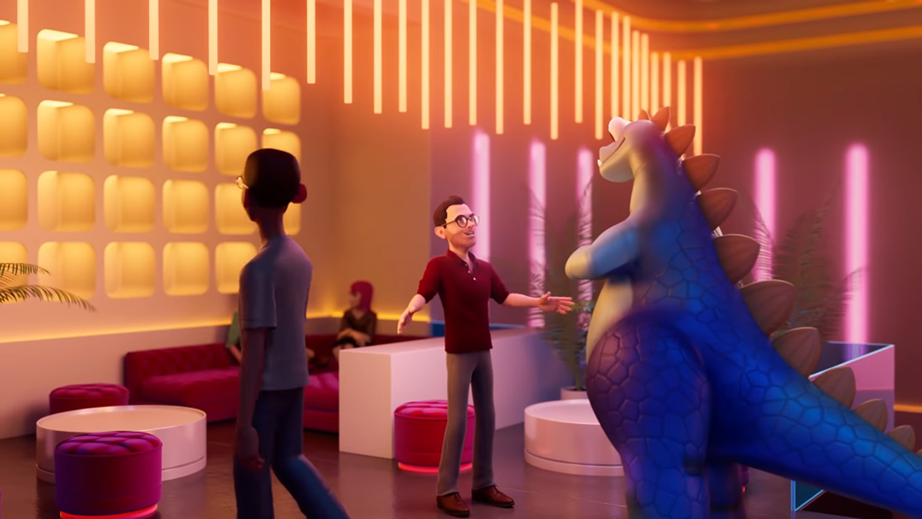
Using these ideas to form a critical lens, I then analyzed Meta’s Horizon Worlds VR program for its design decisions, from avatar aesthetics to User Interfaces (UI). I argue that these designs ultimately inhibit transgender capacity by adhering to a logic of bodily homogeneity rather than multiplicity. Horizon Worlds’ commitment to a sense of realism in its avatar aesthetics, for example, inhibits visual inventiveness and curtails radical explorations of what virtual bodies can be.
I also examine the the method of selecting attributes to construct virtual avatars in Horizon Worlds. While the system has technical advantages in terms of load time and ease of use, it also curtails experimentation by restricting users to preset elements to mix and match. This is more limiting compared to other avatar design systems, such as those featuring sliding scales to adjust, which give greater control to the user.
I contrast Horizon Worlds with two different projects that I argue demonstrate a better embrace of transgender capacity in VR. First, I examine the collaborative project Virtual Queerality for how its projects demonstrate the diverse and multifaceted possibilities of embodiment in VR, as well as how VR can challenge hegemonic ideas around gender and the body. Rather than aesthetic homogeneity, these virtual bodies and worlds are often surreal and experimental, producing disjunctive images that critique hegemonic norms around gender and embodiment.
The Virtual Queerality project The Transcendent Immanence of Queer Flesh (2023)
For example, the short film The Transcendent Immanence of Queer Flesh (2023) was created in VRChat, and shows two figures dancing. Gold and gloopy, the figures mirror each others actions, their bodies occasionally embracing and overlapping each other. These animated bodies are continuously fluid, reflecting trans knowledge of embodiment as fluid and felicitous.
Second, I examine how the Furry community uses VR to connect with each other and experiment with embodiment. I also propose several guidelines for VR development to better enable transgender capacity in VR. These guidelines include greater attention to avatar design systems to give maximum control to design for those who want it, and a heterogeneous approach to aesthetic design in digital avatars and spaces.
While the metaverse does not yet truly exist, VR technologies at the very least are here to stay. This article’s ultimately goal is to outline the queer and trans possibilities of such a technology for experimenting with new forms of embodiment.
Header photo by Michelangelo Buonarroti via Pexels

Follow the Topic
-
Digital Society
This journal publishes articles on topics related to governance, transformations, environments, and developments of digital technology and their implications for society.