World Nature Conservation Day 28th July 2025: Highlights from the BMC Series
Published in Ecology & Evolution, Sustainability, and Plant Science







A healthy environment is a foundation for a stable and healthy society. Earth is facing serious challenges like climate change, deforestation, pollution, etc. It is our duty to check our impact on the environment and take actions to reduce that impact. Nature plays a crucial role in providing essential resources, its sustainable use is crucial for human existence.
As a step towards conserving nature and a sustainable future, World Conservation Day is celebrated on 28th July each year. It promotes sustainable practices, and the preservation of natural resources.
Recent research published in BMC Series highlights the importance of nature conservation and efforts taken worldwide to meet conservation goals.
BMC Ecology and Evolution: Tree diversity, population structure, biomass accumulation, and carbon stock dynamics in tropical dry deciduous forests of Eastern India
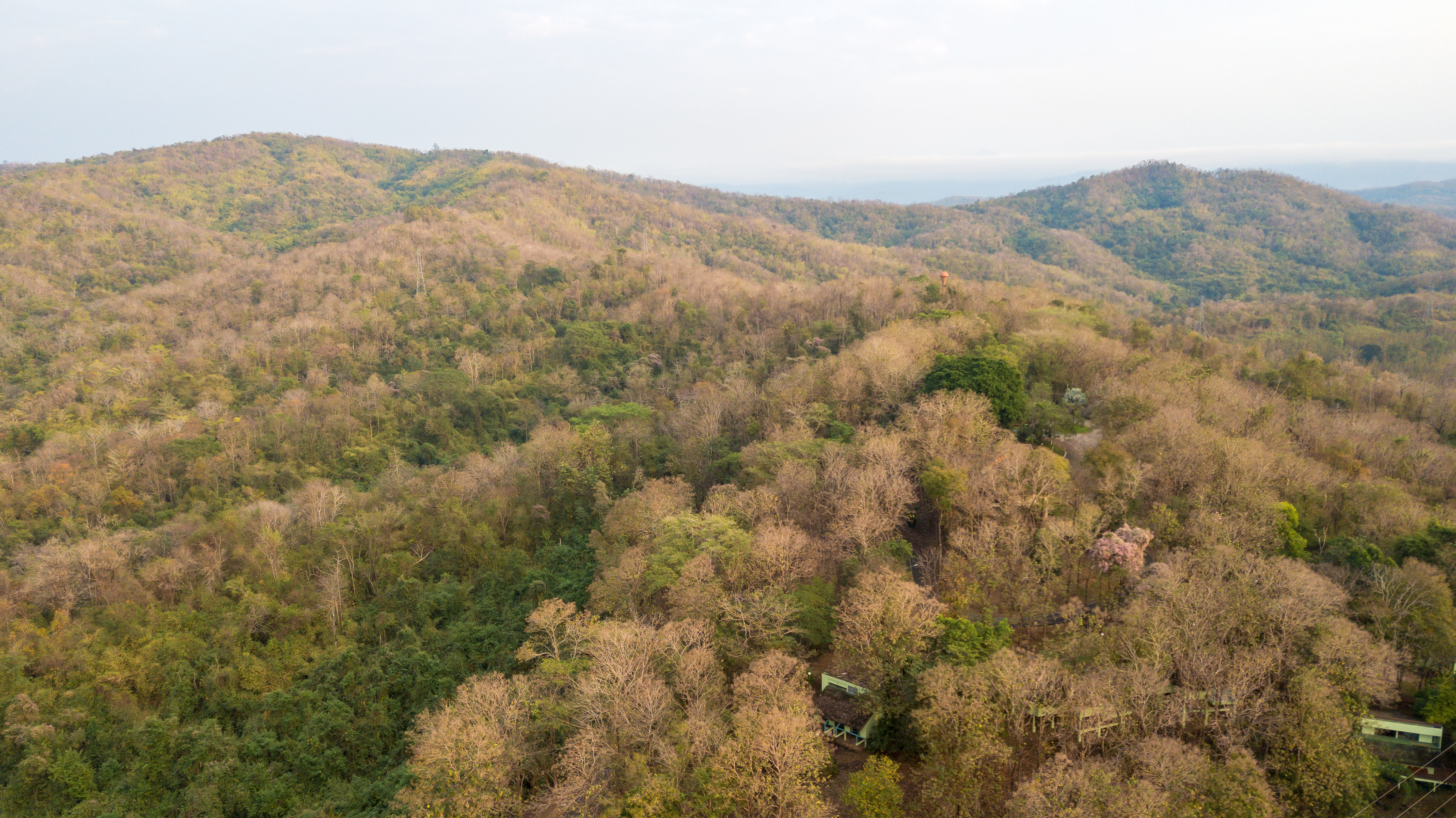
Tropical dry deciduous forests are crucial for biodiversity conservation and carbon storage but are increasingly threatened by human activities and climate change.
A study evaluating tree diversity, population structure, and biomass carbon stock across five forest ranges in Jharsuguda forest division of eastern India: Bagdihi, Belpahar, Brajrajnagar, Jharsuguda, and Kolabira, was carried out by authors. Each forest varies in vegetation density, species composition, and anthropogenic influences. Authors recorded 80 tree species belonging to 68 genera and 33 families.
The insights gained from this research contribute to a broader understanding of how tropical dry forests function as critical carbon sinks and biodiversity pools, providing a foundation for policies that integrate biodiversity conservation with carbon management.
BMC Plant Biology: Mitochondrial genome analysis of the endangered Oreocharis esquirolii: insights into evolutionary adaptation and conservation

Oreocharis esquirolii H. Lév., a member of the Gesneriaceae family with an actinomorphic corolla, is evaluated as vulnerable and classified as a National Grade I Protected Plant.
In this study, authors assembled and annotated the mitogenome of O. esquirolii and performed comparative analyses to investigate structural features and variation across mitogenomes.
Overall, this study presents the first report of the complete mitogenome of O esquirolii, revealing a linear structure, extensive genomic rearrangements, and frequent plastid-derived DNA insertions providing a data foundation for developing further conservation strategies for the species.
Findings of the study highlight dynamic genomic evolution and provide critical molecular resources for future studies on plant adaptation and species conservation.
BMC Zoology: Investigating primate densities and human-primate conflict in Tembaro Community Conserved Forest, Omo River Basin, Ethiopia

Human-primate conflict is a global conservation challenge, particularly in densely populated, low-income countries like Ethiopia. Authors carried out an investigation on non-human primate population density and human primate conflict from January 2022 to December 2023 in the Tembaro Community Conserved Forest, Omo River basin, South Central Ethiopia.
The population density of non-human primates was estimated using distance sampling method, and the intensity of conflict among human-primate was quantified by a questionnaire survey and focus group discussions.
Crop damage and livestock predation were prevalent issues in the present study area. The majority of the local village respondents reported that crop damage was the common cause of human-primate conflict, followed by livestock predation and crop damage and majority of the conflict was caused by Anubis baboon (Papio anubis), followed by grivet monkeys (Chlorocebus aethiops).
Study highlights that, while traditional mitigation methods are currently in place, a more sustainable and integrated approach is urgently needed to ensure the harmonious coexistence of primates and local communities. The findings of this study are crucial for developing effective conservation and conflict mitigation strategies that will safeguard the long-term survival of both primates and the livelihoods of local people.
BMC Environmental Science: Biodiversity conservation and socio-economic development for Africa’s harmonious future: a scoping review

Africa’s rich biodiversity is increasingly threatened by human activities such as habitat degradation, overexploitation and climate change, which negatively affect both ecosystems and livelihoods.
In this study authors have explored the complex relationship between biodiversity conservation, human well-being and socio-economic development in Africa
This study examines the impact of conservation efforts, including protected areas and community-based management, on biodiversity and local economies from 2000 to 2024. Following a systematic scoping review approach, it established research questions, identified relevant studies based on inclusion criteria, and synthesized findings on biodiversity conservation in Africa.
Study concludes that integrated approaches are essential to reconcile conservation and socio-economic development. Recommendations include strengthening collaborative conservation strategies, adopting sustainable agriculture, and implementing targeted policies that support both ecological resilience and human well-being. This review provides valuable insights for policymakers, researchers and conservationists seeking to reconcile conservation and development objectives in Africa.
Follow the Topic
-
BMC Plant Biology
This is an open access, peer-reviewed journal that considers articles on all aspects of plant biology, including molecular, cellular, tissue, organ and whole organism research.
-
BMC Ecology and Evolution
An open access, peer-reviewed journal interested in all aspects of ecological and evolutionary biology.
-
BMC Zoology
This is an open access, peer-reviewed journal that considers articles on zoology, including comparative physiology, mechanistic and functional studies, morphology, life history, animal behavior, signaling and communication, cognition, parasitism, systematics, biogeography and conservation.



Related Collections
With Collections, you can get published faster and increase your visibility.
Evolution of disease: From pathogens to proliferating cells
Evolution of disease: From pathogens to proliferating cells is a special Collection that explores how evolutionary processes shape health and disease—from infectious microbes to cancerous cells. We invite research within the discipline of evolutionary medicine that examine how forces such as natural selection, genetic drift, host-pathogen coevolution, and environmental change contribute to disease susceptibility, resistance, and progression. We welcome submissions that deepen our understanding of disease as a dynamic outcome of evolutionary interactions.
Topics of research may include but are not limited to research which uses evolutionary principles to understand:
1. Pathogen evolution, resistance, and host interactions
•
The evolution of antibiotic, antiviral, antifungal, and antiparasitic resistance
•
Mechanisms of immune evasion, persistence, and transmission
•
Experimental evolution and molecular insights into pathogen adaptation
•
Host-pathogen coevolution and the impacts of medical or environmental interventions
•
Comparative host-pathogen dynamics across species
2. Evolutionary mismatch and modern disease
•
Evolutionary insights into metabolic disorders, autoimmune conditions and cancer
•
When a previously advantageous trait becomes maladaptive due to change in the environment
3. Evolution of cancer
•
Evolutionary and ecological models of cancer progression and resistance
•
Comparative oncology: insights from cancer-resistant and long-lived species
•
Somatic evolution, immune escape, and tumor heterogeneity
4. Genetic variation, adaptation, and disease susceptibility
•
Adaptive and maladaptive genetic variants in human and animal populations
•
Pleiotropy and trade-offs in immune function, metabolism, and reproduction
•
Population genetics, admixture, and the evolutionary roots of health inequality
5. Microbiome evolution and host symbiosis
•
Coevolution and community ecology of host-associated microbiota
•
Functional evolution in microbial genomes and implications for host health
•
Microbiome shifts due to modern environments, drugs, or host genetic factors
6. Viral evolution and endogenous elements
•
Evolutionary arms races between hosts and viruses
•
Evolution and function of endogenous viral elements in animal genomes
•
Phylogenomic approaches to uncover ancient viral influences on host evolution
7. Experimental and computational approaches
•
Experimental evolution in microbial or model systems
•
Genomics, phylogenomics, and systems biology in disease evolution
•
Machine learning and AI in evolutionary medicine research
Publishing Model: Open Access
Deadline: Dec 04, 2026
Nighttime ecology and evolutionary adaptations to low-light environments
BMC Ecology and Evolution welcomes submissions of research exploring the remarkable adaptations and ecological dynamics that enable life to flourish in the dark and low light environments. Contributions will explore evolutionary adaptations such as sensory specialization (e.g., night vision, echolocation, bioluminescence, heat-sensitive pits, and specialized hairs) that allow organisms to navigate, forage, and communicate in low-light conditions from caves to the deep sea. The collection will also investigate behavioral and physiological mechanisms, including circadian rhythm adjustments and predator-prey interactions, that are essential for survival in nocturnal niches.
Submissions on the impact of anthropogenic influences, such as light pollution, on nocturnal ecosystems and biodiversity are encouraged. The Collection also welcomes research on nighttime bioacoustics and soundscapes, examining how sound is used to adapt to and shape nocturnal environments. Contributions discussing the role of citizen science in advancing our understanding of nighttime ecology are also encouraged.
Publishing Model: Open Access
Deadline: Nov 20, 2026