🌍 World Rivers Day: A Reflection on Our Planet’s Lifelines
Published in Earth & Environment, Ecology & Evolution, and Sustainability

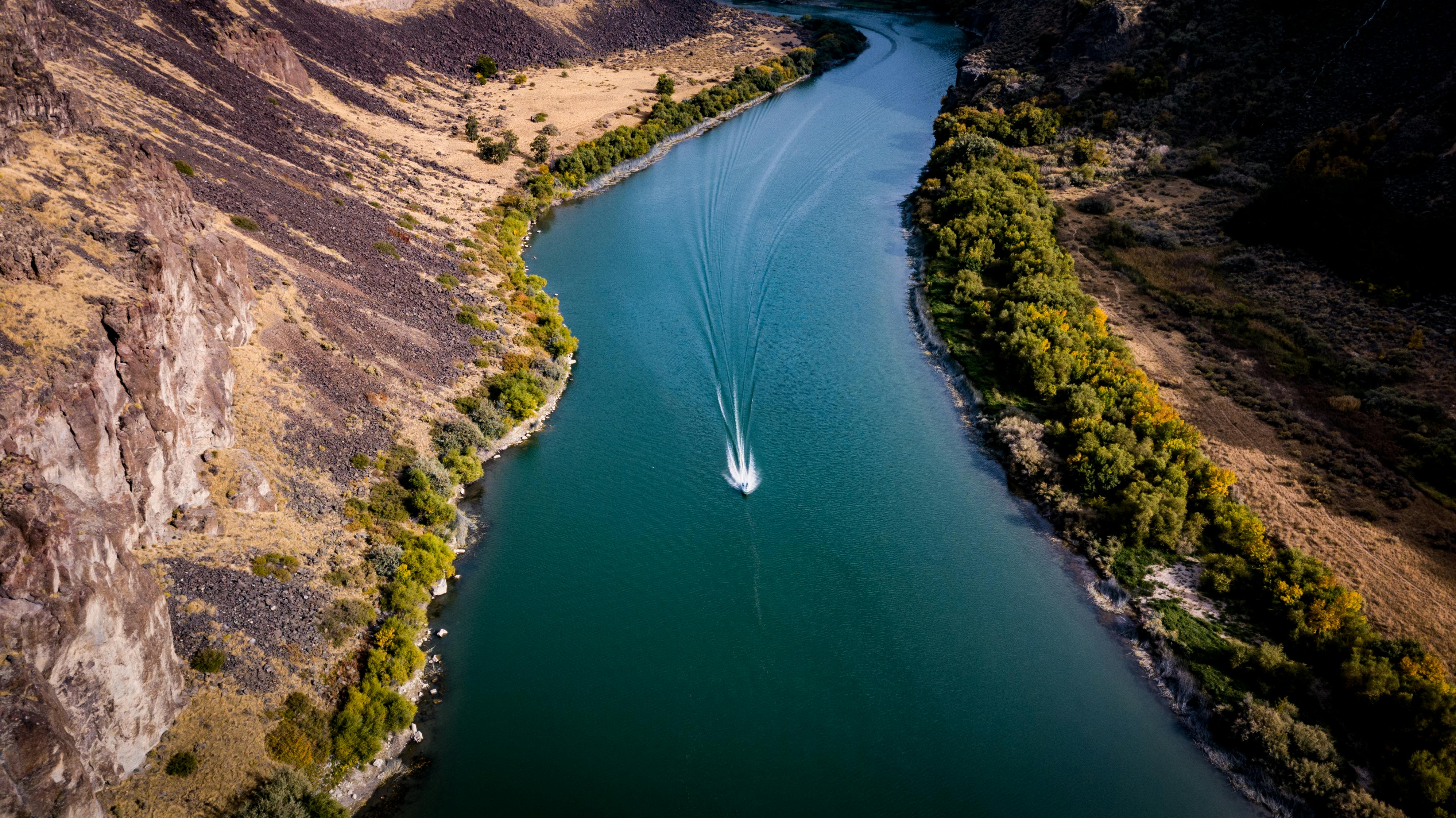





Every year, on the fourth Sunday of September, the world comes together to celebrate World Rivers Day—a moment to reflect on the vital role rivers play in sustaining life on Earth. Far beyond their scenic beauty, rivers are dynamic systems that shape landscapes, support biodiversity, and provide essential resources for human survival.

Why Rivers Matter
Rivers are critical to planetary health. They regulate the hydrological cycle, transport nutrients, and connect terrestrial and marine ecosystems. Their importance spans ecological, economic, and cultural dimensions:
- Hydrological Connectivity: Rivers link land and ocean systems, driving sediment transport and nutrient cycling.
- Biodiversity Hotspots: Riverine ecosystems host thousands of species, many of which are endemic or threatened.
- Human Well-being: Rivers supply drinking water, irrigation, food, transportation, and cultural value to billions of people.
Yet, these lifelines are under threat—from pollution, climate change, urbanization, and habitat degradation. Addressing these challenges is not only an environmental imperative—it’s a global development priority.
Rivers and SDG 6: Clean Water and Sanitation
The health of our rivers is central to achieving Sustainable Development Goal 6 (SDG 6): Ensure availability and sustainable management of water and sanitation for all. Rivers are natural infrastructure for clean water access, but their degradation compromises water quality, ecosystem services, and public health.
Scientific research is essential to understanding river dynamics and informing sustainable management. From monitoring water quality to developing restoration strategies and policy frameworks, science provides the tools to protect these vital systems.
What Science Tells Us
Springer Nature is proud to support the global scientific community by publishing research that advances our understanding of river systems and their role in sustainability. Recent studies explore:
- Climate-induced hydrological shifts
- River restoration and flood mitigation
- Long-term water quality trends
- Urban river management and policy innovation
📚 Take a look at these Selected Publications:
- Books:
- Articles:
- Anthropogenic impacts on the Yellow River Basin
- Climate Change Impacts on River Hydraulics: A Global Synthesis of Hydrological Shifts, Ecological Consequences, and Adaptive Strategies
-
Unravelling the long-term river health status of Kruger National Park Rivers using macroinvertebrate-based monitoring
💡 Explore more research and resources on our SDG 6 Hub, where science meets global action for clean water and sanitation.
(Photo by Ruvim Miksanskiy)