Writing 'Returning Home': A Personal Story Behind the Paper
Published in Biomedical Research
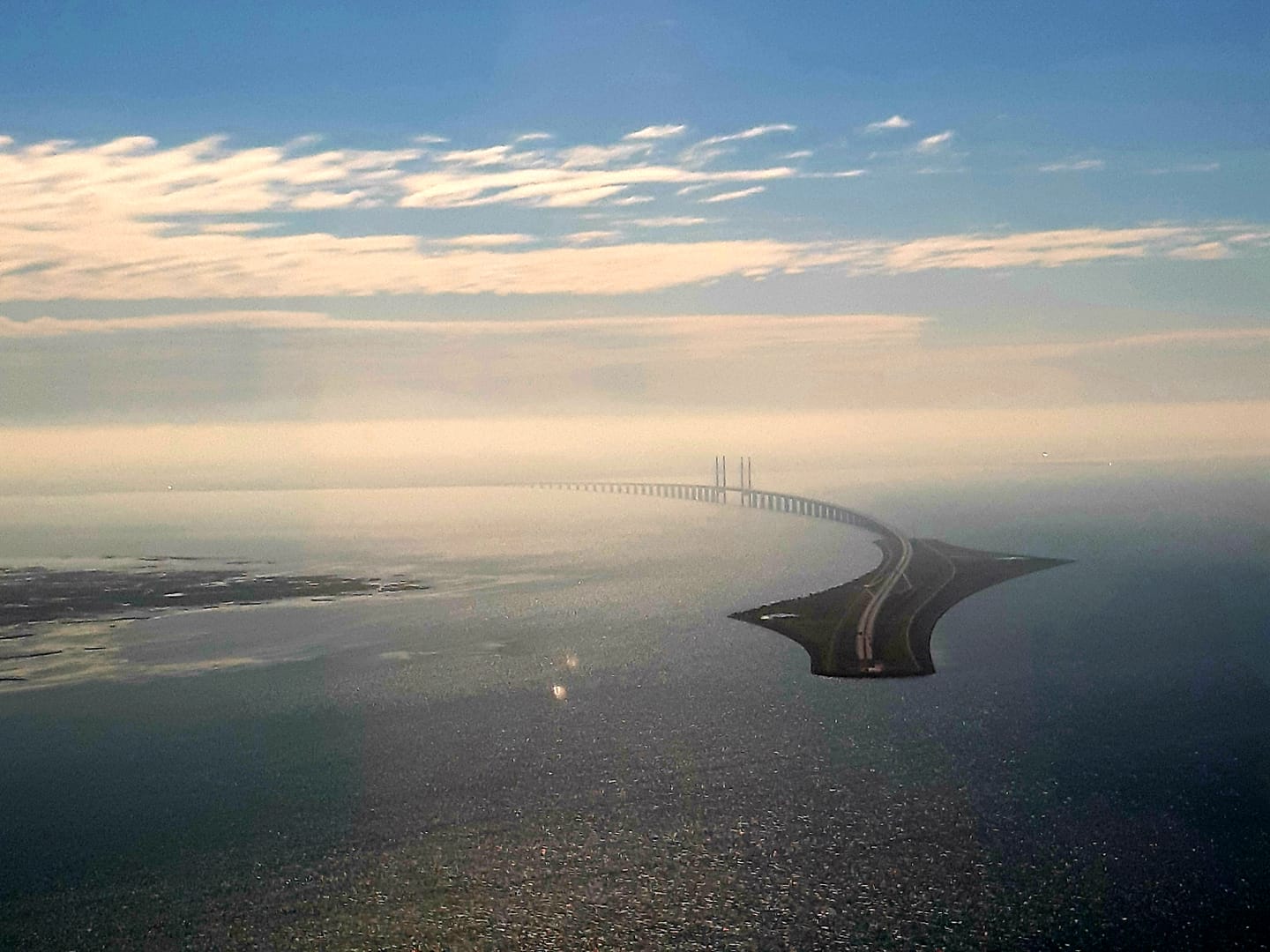

When I was invited to write a World View for Nature & Structural Biology, I felt two things simultaneously: honored and nervous. Not nervous about the science, but about the responsibility. I knew I would be writing not just about my own journey, but about something larger: the experience of returning to Central Europe to build a lab, and the community of researchers who have done the same.
There are many chapters I could have shared: logistical puzzles, mentorship lessons, cultural contrasts, even the humor found in reassembling a microscope, screw by screw. And yet, I had to choose. The hardest part was not to write, but what to leave out. In the end, I decided to write the kind of piece I wished I had read a few years ago. Not a dry summary of challenges and opportunities, but a personal message, which will be honest, emotional, and imperfect. Because science is made by people, and the stories that shape our paths are worth telling as they are.
The process of writing the piece made me reflect on how non-linear this journey really is. Returning and rebuilding a scientific career does not happen in a straight line. There are waves—sometimes gentle, often rough. There are the visible milestones, and then there are long, quiet stretches filled with uncertainty. Behind every published article are rejected manuscripts, unfunded proposals, and experiments that did not work. There are moments of doubt when the lab is still half empty, when procurement is delayed for months, when you are not sure if the vision you have will ever become reality. If you are in that place right now, wondering if you are the only one, it is important to know: you are not. I have been there too, and many others as well.
Writing this piece reminded me how much we carry as scientists—not just ideas and data, but also hopes, doubts, and the quiet persistence to keep going. I hope this message reaches someone who needs it. Someone returning. Someone starting out. Someone wondering if their effort matters.
It does.
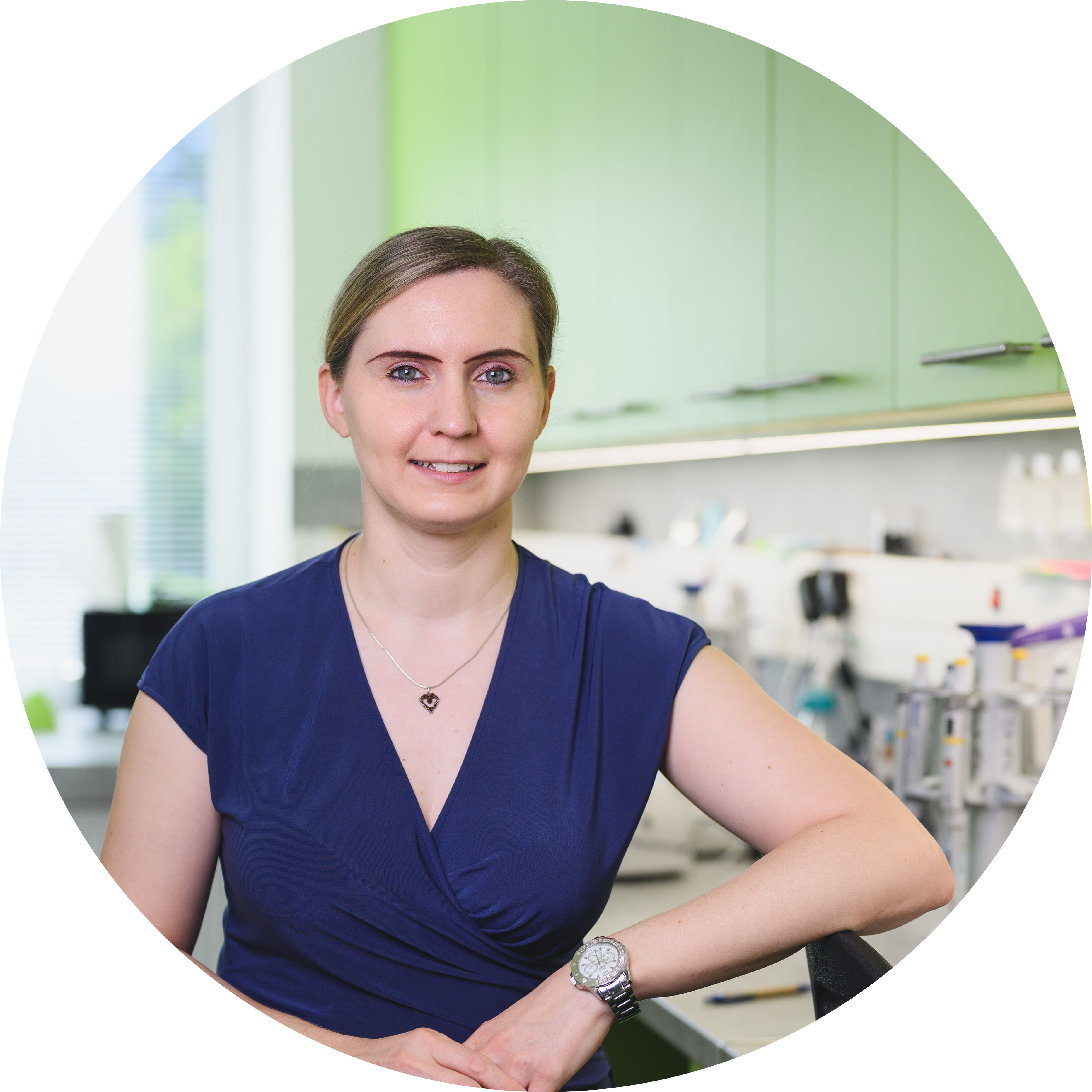
Hana Polasek-Sedlackova is a group leader at the Institute of Biophysics (IBP) of the Czech Academy of Sciences, where she leads the Laboratory of DNA Replication and Genome Stability. Her research focuses on the regulation of DNA replication and genome maintenance, combining advanced imaging tools, genome editing, and biochemical approaches.
Hana earned her MSc at Masaryk University (2011-2016) under Dr. Lumir Krejci, studying RECQ helicases in DNA replication and repair. She continued with a PhD and postdoctoral training in Prof. Jiri Lukas's lab at the University of Copenhagen (2016-2022), where she addressed major challenges in imaging of DNA replication dynamics and discovered a novel homeostatic pathway regulating replication origins—crucial for genome stability (Nature, 2020, Nature Commun., 2022).
In 2022, she established her indepedent research group at IBP. Since, then her lab has identified a new regulator of origin homeostasis linked to tissue pathoysiology (bioRxiv, 2024) and developed new imaging tools (J Cell Biol., 2025, bioRxiv, 2025). Combining genome editing, imaging, genomics and proteomics, her research aims to uncover fundamental principles of genome stability and new therapeutic targets in replication-stress driven diseases. Her research is supoprted by Czech Science Foundation Junior Star, European Research Executive Agency, and EMBO.
Follow the Topic
-
Nature Structural & Molecular Biology
An integrated forum for structural and molecular studies, the journal places a strong emphasis on functional and mechanistic understanding of how molecular components in a biological process work together.

Related Collections
With Collections, you can get published faster and increase your visibility.
Methods development in Cryo-ET and in situ structural determination
Publishing Model: Hybrid
Deadline: Oct 30, 2026
DNA repair and human disease
Publishing Model: Hybrid
Deadline: Oct 31, 2026