Behind the Paper
The real stories behind the latest research papers, from conception to publication, the highs and the lows
An evolving landscape for development and studies of antibodies in allergy at the molecular level
The vast diversity of antibodies poses challenges for their characterisation. Allergy-causing IgE poses particular challenges in this respect. We propose integration of a diversity of high-throughput technologies to capture IgE as found in allergic subjects, to promote research of allergic disease.


Combating corruption and promoting economic resilience: legal and institutional reform in Saudi Arabia
Understanding how Saudi Arabia maintains economic resilience in the presence of corruption is a critical inquiry for both corruption studies and development economics, particularly in resource-rich and rent-dependent states.

On transition metals carbides precipitation in alloyed steels
The RCA values allow the sorting of TMs ability to form carbides and quantifies their formation possibility. It dissipates ambiguities and quantitatively precise the anterior classifications. The established formula enriches the theoretical classification of TM (as alpha, or gamma-gene elements).

Theoretical Considerations on Transition Metals Sulphides Precipitation in Alloyed Steels
Non-dimensional analysis and rules of thermochemical heat treatments permitted the formulation of a relative (statistically well correlated) ranking of sulphidising ability for transition metals and models to compute their amount in the metallic structure of Fe-C alloys
How to distinguish a good socialist country from a bad one
Measuring biased representation on the world


Behind the paper: Protic ionic liquids as binders for carbon paste electrode fabrication
A recurring challenge across all electrochemistry systems is achieving fast and efficient electron transfer at electrode surfaces. While attention is paid to the active electrode material, our work shows that a less obvious component—like a binder in a graphite electrode —can play a decisive role.
Improving Watershed Models with Tile and Rotation-Enhanced Cropland (TREC) dataset
Land-use maps drive ecohydrologic modeling and water-quality estimates. In the U.S. Midwest, nitrate and water movement depend on crop rotation and tile drainage, but most national datasets do not fully capture these factors. Our TREC map captures both to improve the realism of the watershed model.

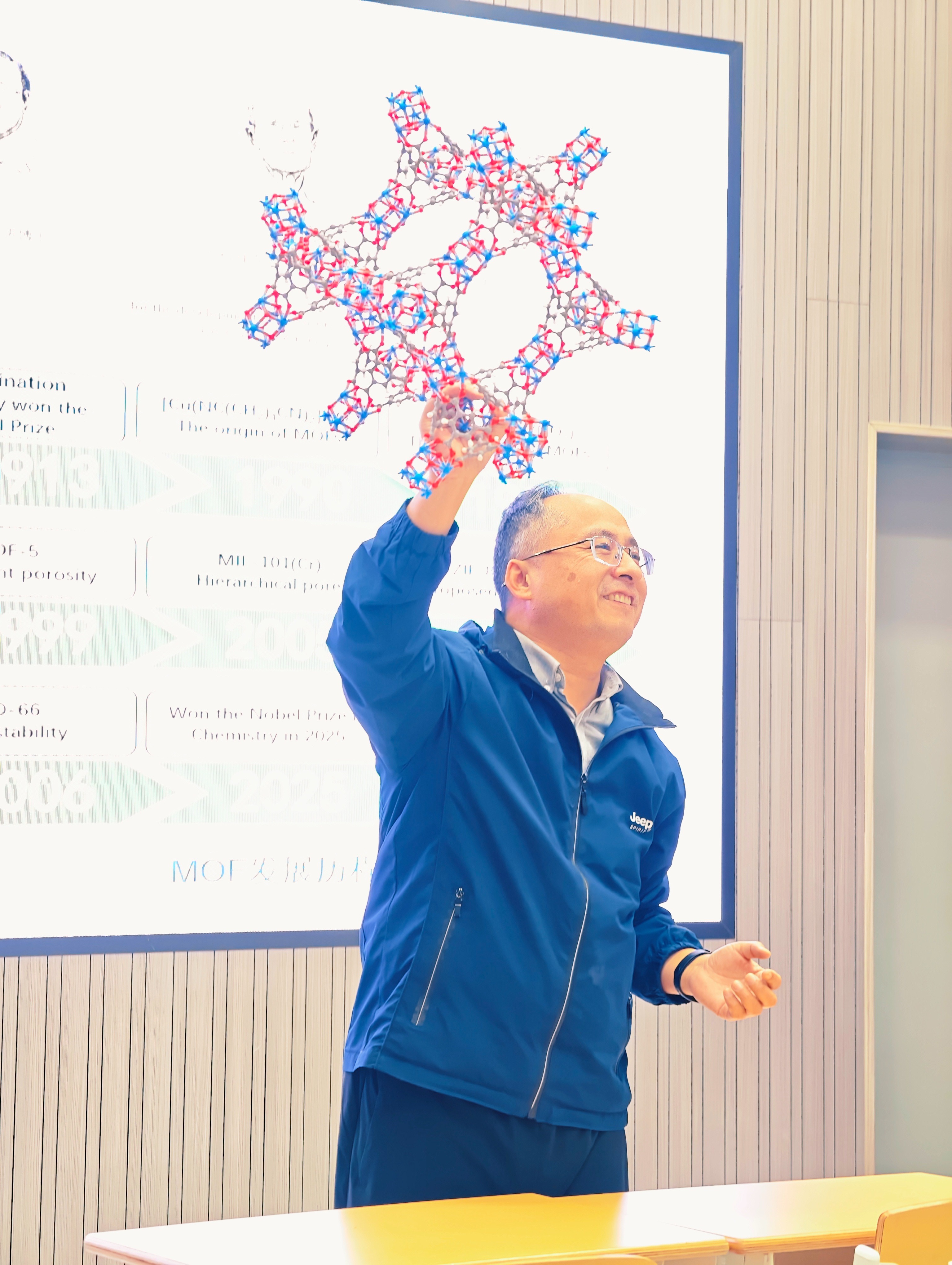
Dynamic stretching beyond electron transfer in a homointerpenetrated MOF for enhanced Fenton-like reactions
https://www.nature.com/articles/s41467-026-68917-z
Why do males and females sometimes differ in recognizing others?
Identity recognition are dynamically shaped by the emotional valence of social experiences.