Embracing the complexity of plant–bird interactions to understand species’ roles within ecosystems
Published in Ecology & Evolution and Plant Science
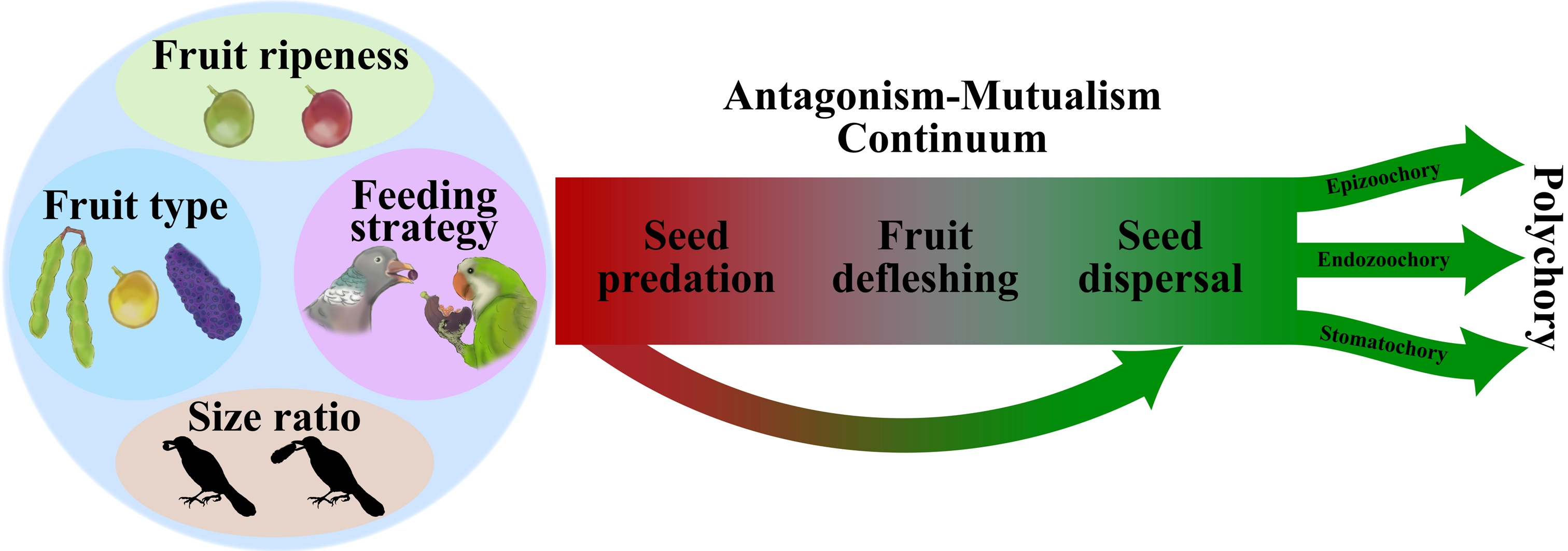


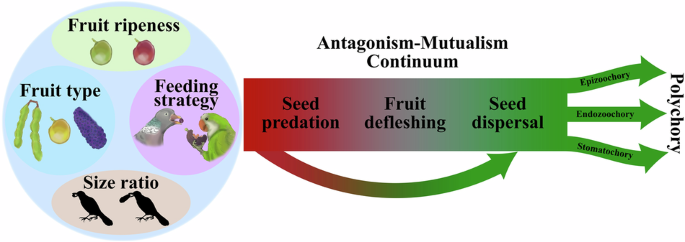

During numerous scientific expeditions across different continents, our team have documented a series of overlooked mutualistic interactions between plants and their seed predators, particularly parrots (Order Psittaciformes), a group traditionally regarded as antagonistic in the seed dispersal literature. This apparent functional gap likely extends beyond parrots, as growing evidence suggests that consumers can shift along an antagonism–mutualism continuum depending on context, giving rise to seed dispersal modes that are not predicted by trait-based frameworks. Motivated by this, we proposed an exhaustive assessment of feeding behaviour within a functionally diverse plant–bird community to better characterize species’ ecological roles.
Because our previous works have focused on tropical forests, where direct observation of foraging individuals is often challenging, we instead conducted this study in anthropogenic landscapes of Seville (Spain). These settings facilitate systematic monitoring: birds tend to be more tolerant of human presence, canopy barriers are reduced, and the coexistence of native and non-native species span a wide range of morphological traits and behaviours that create a rich diversity of potential interactions. This context gave us a robust framework to examine how plant–bird interactions emerge from the interplay between trait-based and contextual variables.
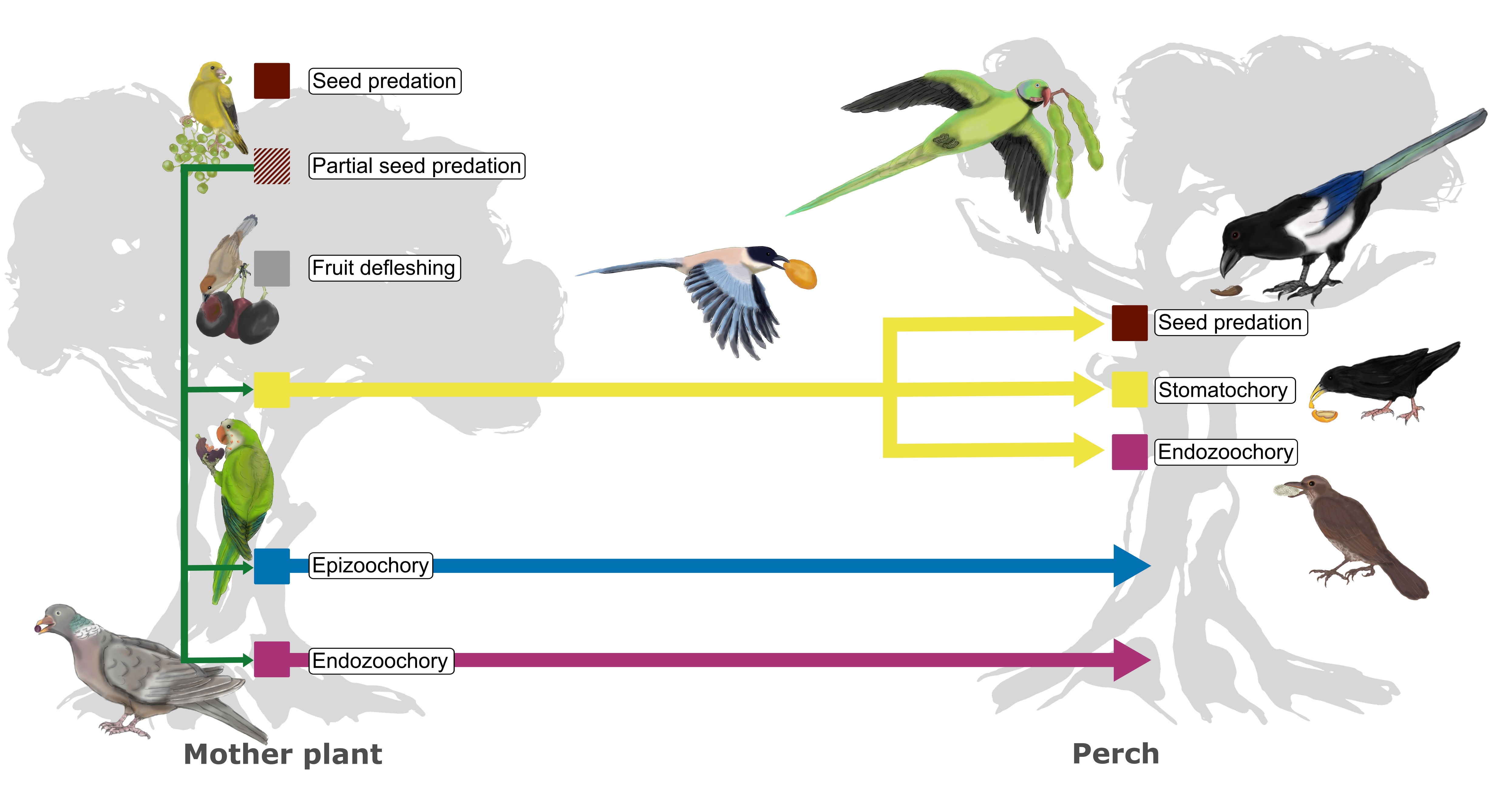
After a full year of observations, we recorded a large number fruit–bird interactions (21,906) across 6,012 foraging bird visits to 578 individual plants, encompassing 25 plant species and 40 bird species. Surprisingly, 96% of bird species exhibited multiple functional roles, shifting from seed predation to fruit defleshing and seed dispersal. Moreover, 50% of plant species engaged in multiple dispersal pathways (i.e., polychory), with endozoochory (passive transport after seed ingestion), stomatochory (active transport of fruits to distant perches), and epizoochory (passive transport of seeds attached to plumage) co-occurring within the same species.
These processes were shaped by synergistic factors—including fruit size relative to bird body mass, fruit type, ripeness stage, and bird foraging strategy—that operated in a context-dependent manner. For example, seeds typically dispersed via endozoochory by swallowers could also be dispersed by non-swallowers when fruits were large relative to the consumer’s body mass, or were unripe. In such cases, alternative pathways, such as stomatochory and epizoochory became prevalent.
Notably, this dynamic continuum was also evident within individuals, as approximately 10% of bird foraging visits shifted from seed predation to dispersal and 38% of focal plants had their fruits and seeds either predated or dispersed. Both processes were more likely when birds fed on small, fleshy fruits during prolonged visits. At the plant level, polychory was more frequent in individuals that attracted a greater number and diversity of consumers. Fruit ripeness also played a key role in shaping this continuum, with higher probabilities of combining predation, pulp removal, and seed dispersal when birds foraged on unripe fruits and when plants provided a mixture of ripe and unripe fruits.
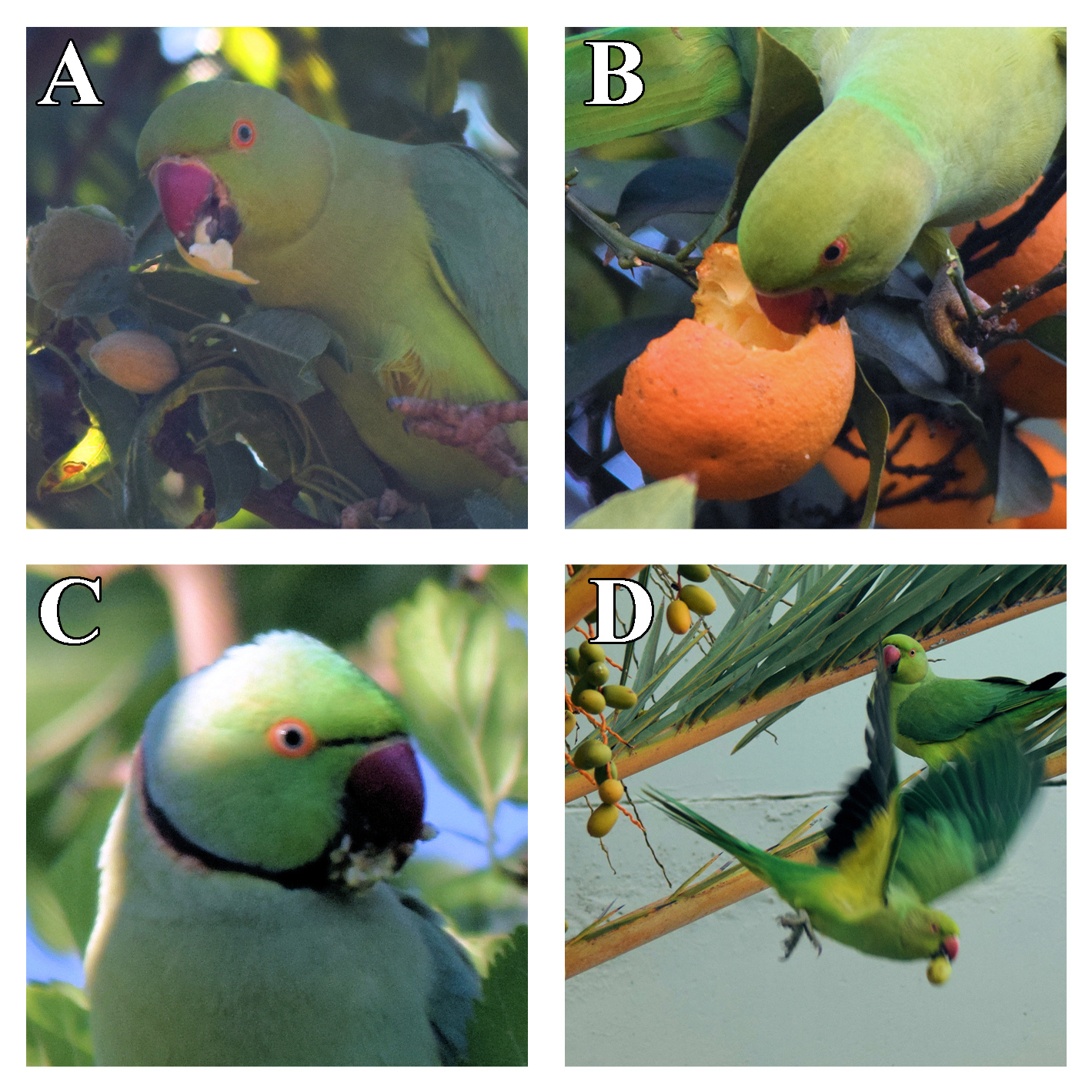
Overall, our study provides strong empirical support for the pervasive role of context dependence in plant–bird interactions. Interactions are therefore not fixed but dynamic, often oscillating along an antagonism–mutualism continuum that challenges static categorizations of species’ ecological functions. Furthermore, the high frequency of polychory observed here questions classifications of seed dispersal modes based solely on propagule morphology.
Similar context-dependent dynamics are likely to occur across taxa and ecosystems. Further empirical research is needed to reassess the roles of seed predators and non-endozoochorous mechanisms within seed dispersal networks. Although addressing this complexity represents a substantial challenge, it also opens new avenues for investigating underexplored dimensions, including the role of intraspecific behavioural plasticity in shaping seed dispersal processes.

I am a postdoctoral researcher at the Doñana Biological Station (EBD-CSIC) in Spain. My work focuses on behavioural ecology and the ecological interactions associated with invasive species, with a particular emphasis on parrots and their impacts on native biota. I investigate the complex relationships between non-native parrots and recipient communities, including both competitive and facilitative interactions involving plants and animals. Through this work, I aim to advance our understanding of biological invasions and their ecological consequences.
Follow the Topic
-
Communications Biology
An open access journal from Nature Portfolio publishing high-quality research, reviews and commentary in all areas of the biological sciences, representing significant advances and bringing new biological insight to a specialized area of research.

Related Collections
With Collections, you can get published faster and increase your visibility.
Healthy Aging
Publishing Model: Open Access
Deadline: Dec 31, 2026
DNA repair and human disease
Publishing Model: Hybrid
Deadline: Oct 31, 2026