Maspin's versatility may stem from its interaction with the cytoskeleton
Published in Biomedical Research
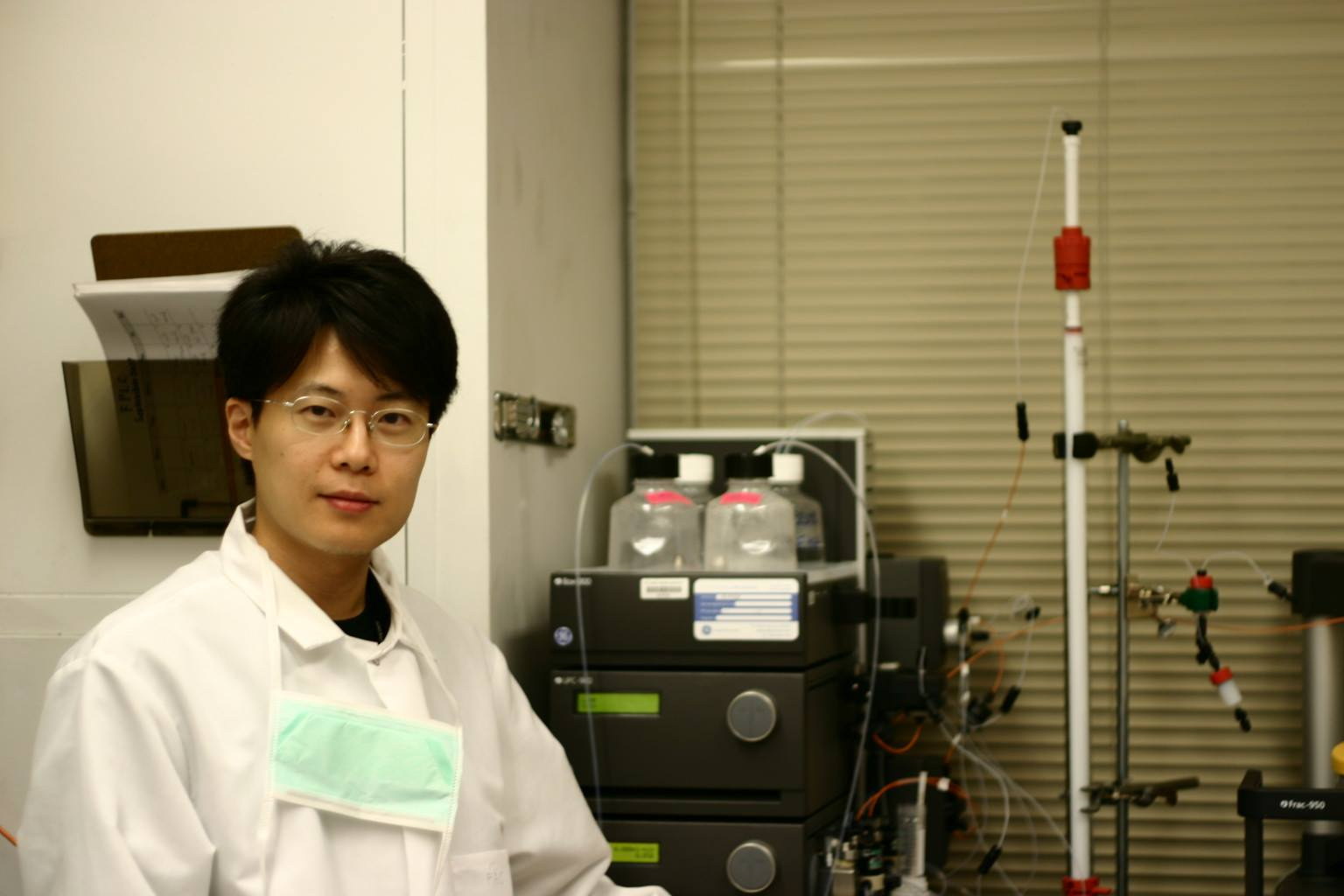



I spent quite some time thinking what would be a worth telling “behind the paper” story of this paper. I could not dissociate it from my own long journey in science. I inherited Maspin from my postdoc in Dr Ming Zhang’s lab at Baylor (over 20 years ago) and he, in turn, inherited it directly from Ruth Sager, who described Maspin as a tumor suppressor gene in breast cells in 1994 (1).
Back to Brazil, I reasoned that continue working on Maspin would be a good choice for a first grant proposal, since it is an abundant protein involved in diverse cellular processes and easy to detect in the cell. I had in mind that working on a “handyman” protein would let me easily expand to different subjects in cell biology. As in science things are often not linear, Maspin went from a universal tumor suppressor to a compartment‑ and context‑dependent tumor suppressor, and sometimes promoter! Emerging discrepancies in the field led us to adopt non-transformed model systems, as experimental approaches using tumor models were not effectively clarifying Maspin’s role in the cell or explaining why it can function as either a tumor suppressor or an oncogene in different models and experimental contexts.
In collaboration with Dr Julia Pinheiro Chagas Da Cunha, from Instituto Butantan, we carried out a proteomic analysis to identify Maspin ligands in MCF-10A cells. These data might have remained overlooked, had Luiz Eduardo da Silva not taken an interest in the project. He delved into the spreadsheets and identified several potentially interesting Maspin ligands to pursue (2).
Shortly after he joined the lab as a graduate student, the coronavirus pandemic began. While we were all working from home, Luiz and I exchanged lengthy emails discussing how we would experimentally approach the problem with limited access to the lab and resources as well, as I could not renew my grant for over two years. With remarkable drive and dedication in exploring the questions and hypotheses, Luiz gathered strong evidence of Maspin involvement with cytoskeleton architecture and dynamics.
We then established a collaboration with Dr Susanne Bechstedt’s lab, where Luiz spent six months characterizing the direct interaction between Maspin and actin filaments and microtubules.
As a highly skilled experimentalist, Luiz embodies the most valued qualities of a scientist—perseverance, resilience, the ability to learn from failure, and a clear focus on long-term goals. It has been both a pleasure and a privilege to have him in the lab over the past five years. Through this experience, I’ve come to truly appreciate that mentoring and guiding young scientists is just as important and rewarding as conducting science itself.
- Z. Zou et al., Maspin, a serpin with tumor-suppressing activity in human mammary epithelial cells. Science 263, 526-529 (1994).
- M. T. Longhi et al., PI3K-AKT, JAK2-STAT3 pathways and cell-cell contact regulate maspin subcellular localization. Cell Commun Signal 19, 86 (2021).

Follow the Topic
-
Communications Biology
An open access journal from Nature Portfolio publishing high-quality research, reviews and commentary in all areas of the biological sciences, representing significant advances and bringing new biological insight to a specialized area of research.

Related Collections
With Collections, you can get published faster and increase your visibility.
Healthy Aging
Publishing Model: Open Access
Deadline: Dec 31, 2026
DNA repair and human disease
Publishing Model: Hybrid
Deadline: Oct 31, 2026