SDG3 Newsletter: Diseases
Published in Sustainability, General & Internal Medicine, and Public Health






Use these links to navigate to a section! This newsletter covers:
- Sickle cell disease: impact on the Black community
- Rare Disease Day
- World Cancer Day
- Meet the Editors of Implementation Science Communications
- A history of Journal of Cannabis Research
- HPV vaccination progress
- Maternal health and Neonatal Health webinar: sign up now
Sickle Cell Disease and its impact on the Black community
Check out this interesting blog written recently by members of Springer Nature's Black Employee Network. They focus on social, medical and policy approaches to improve the lives of those within the Black community affected by sickle cell disease.
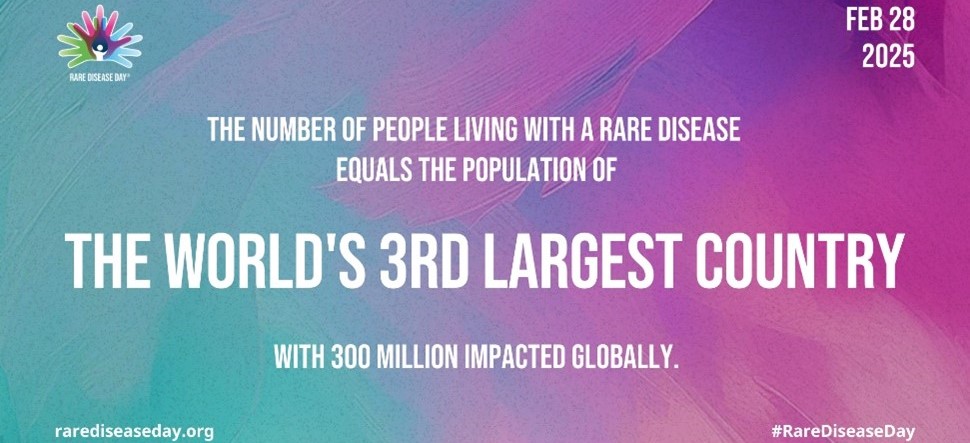
Rare Disease Day
This Friday 28 February is Rare Disease Day. Read this blog to discover relevant journal articles, clinical trials, blogs and Q&As with researchers.
World Cancer Day: person-centred care

Read this blog on the new new 2025-2027 theme for World Cancer Day, ‘United by Unique.’ Here you can find related blogs, articles, Collections and clinical trials.
Don't forget to check out this blog on the highly-accessed Collection, Fibrosis and Cancer Intersection, published in Journal of Translational Medicine.
Meet the Editors of Implementation Science Communications
.png)
Read Dr Elvin Geng's recent Q&A announcing his position as co-Editor-in-Chief of Implementation Science Communications. As an infectious disease physician involved in the public health HIV response and in AIDS research, Dr Geng discusses the current context in the US and the implications it may have for the global HIV response.
You can also read this Q&A for World AIDS Day, where Dr Aaloke Mody, Associate Editor, shares his experiences working in the fields of HIV and AIDS.
A history of Journal of Cannabis Research

Explore this blog on the history of Journal of Cannabis Research to learn about the use of medical cannabis in treating disease and improving symptoms.
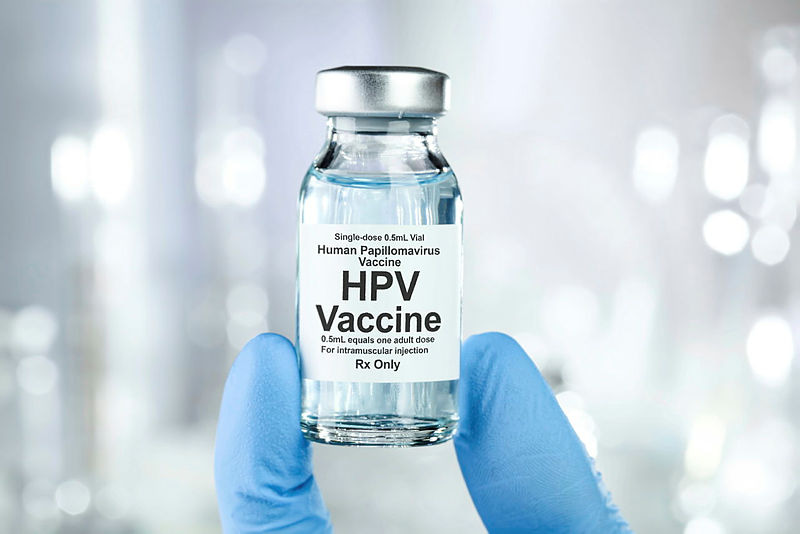
HPV Awareness Day is next week (4 March). Check out this blog that explains HPV vaccination progress and outlines areas for improvement in vaccination programmes.
Maternal and Neonatal Health webinar: sign up now
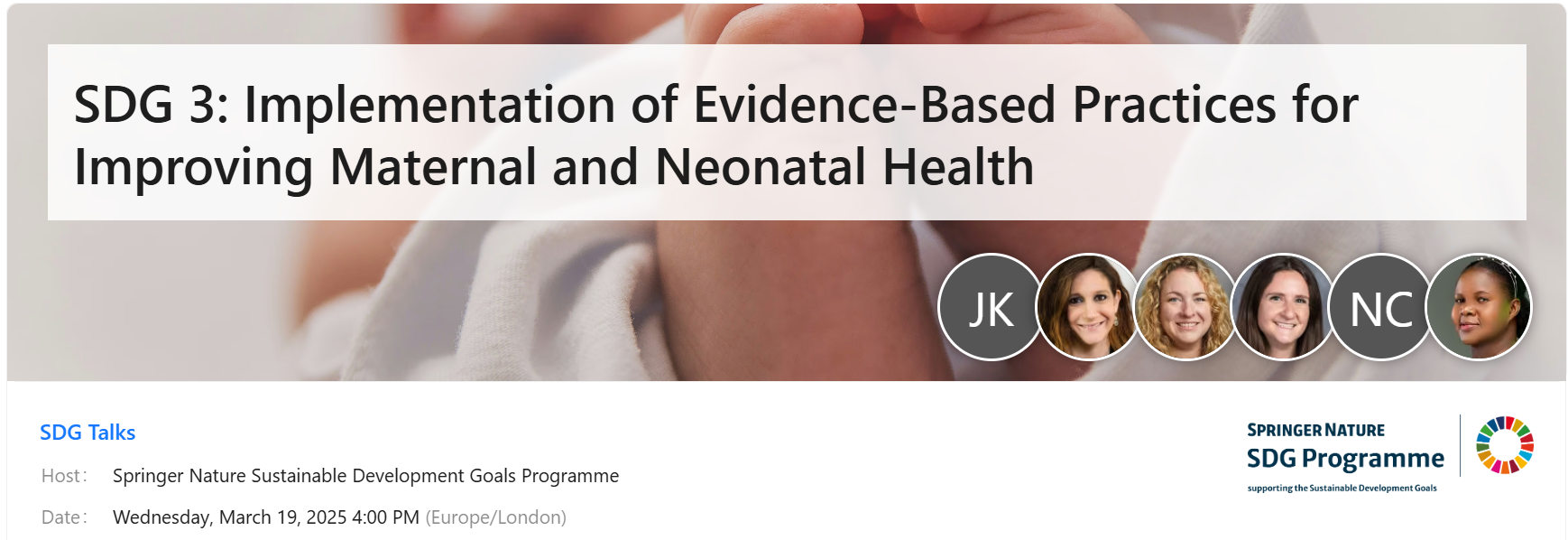
On 19 March we are hosting a free webinar on “Implementation of Evidence-Based Practices for Improving Maternal and Neonatal Health”. This webinar has some really interesting speakers, click the link to learn more and register.
Get involved!
Thank you to everyone who contributed to this newsletter. If you are a researcher or colleague who would like to be involved with our SDG3 initiatives, get in touch. To be notified of future SDG3 newsletters, follow me, Alice Coe, on Research Communities.
If you are interested in the following journals or in contributing to Springer Nature's SDG 3 Newsletter, please email me. Happy to connect.
Injury Epidemiology, International Journal of Health Geographics, Journal of Epidemiology and Global Health, Health and Quality of Life Outcomes, Population Health Metrics
Follow the Topic
-
Implementation Science Communications
An official companion journal to Implementation Science and a forum to publish research relevant to the systematic study of approaches to foster uptake of evidence based practices and policies that affect health care delivery and health outcomes, in clinical, organizational, or policy contexts.
-
Journal of Cannabis Research
The Journal of Cannabis Research is an international, fully open access, peer-reviewed journal covering all topics pertaining to cannabis, including original research, perspectives, and protocols. Our goal is an accessible outlet for expert interdisciplinary discourse on cannabis research.


Related Collections
With Collections, you can get published faster and increase your visibility.
Advances in Endocannabinoid Biology and Implications for Physiology and Pathophysiology
This Collection aims to showcase advances in the knowledge of molecular, cellular, and clinical science of cannabinoids and the endocannabinoid system in physiological and pathological conditions. The Editors are particularly focused on the system's cellular roles in normal physiological processes, including development and pregnancy, as well as abnormal functioning associated with diseases, including mental health disorders.
The endocannabinoid system, widely expressed in the brain and periphery, regulates a broad range of physiological functions, and alterations in this system have been identified in a number of psychological and physical conditions. The increased usage of cannabis for recreational and, more recently, medical purposes has led to research focused on understanding the therapeutic potential of this system and the applications of modulation of the system in restoring normal biological function. This broad focus can encompass basic biological science and exploration of clinical use for physical and psychological conditions.
The Collection welcomes experimental in vitro and in vivo studies, clinical research, narrative reviews, and short commentaries. Eligible submissions include original research articles, reviews, clinical or population‑based studies, qualitative or mixed‑methods research, methodological studies, and brief reports.
Topics of interest include, but are not limited to:
- Biological and cellular mechanisms of action of cannabinoids in brain and periphery
- Role of the endocannabinoid system in pregnancy, including mechanisms of actions
- Mechanism of dysfunction of the endocannabinoid system in pathology
- Molecular mechanisms associated with cannabinoid therapies in brain and periphery
This Collection supports and amplifies research related to SDG 3: Good Health and Well-Being by advancing understanding of the endocannabinoid system across organ systems and contributing to equitable, effective healthcare solutions.
All submissions in this collection undergo the journal’s standard peer review process. Similarly, all manuscripts authored by a Guest Editor(s) will be handled by the Editor-in-Chief. As an open access publication, this journal levies an article processing fee (details here). We recognize that many key stakeholders may not have access to such resources and are committed to supporting participation in this issue wherever resources are a barrier. For more information about what support may be available, please visit OA funding and support, or email OAfundingpolicy@springernature.com or the Editor-in-Chief.
Publishing Model: Open Access
Deadline: May 28, 2027
Medical Cannabis in Clinical Care: Current Practice and Evidence
Medical cannabis is increasingly used in routine clinical care in many countries, often without national regulatory approval. Its use spans a range of settings, from chronic non-cancer pain and palliative care to epilepsy, insomnia, and anxiety. As prescribing expands and regulatory frameworks evolve, there is a clear need for evidence that reflects how medical cannabis is used in practice today and the scientific evidence supporting its use. This Collection focuses on current clinical applications, not new therapeutic development, and welcomes work that documents real‑world practice, patient pathways, and the systems that shape access and decision‑making.
Research into prescribing behavior, the scientific evidence supporting current practice, pharmacy and dispensing models, regulatory oversight, and private‑practice approaches provides essential insight into how clinicians and patients navigate existing medical cannabis programs. Studies examining utilization patterns, patient‑reported outcomes, and long‑term clinical trajectories help clarify effectiveness, safety, and consistency across healthcare settings.
Investing in this area of research aligns with the Sustainable Development Goal (SDG) 3: Good Health and Well-Being, which emphasizes the need to ensure healthy lives and promote well-being for all at all ages. By advancing our understanding of medical cannabis, we can contribute to the broader goals of health equity and access to effective healthcare solutions.
We invite contributions on topics including, but not limited to:
- Pharmacy practice and dispensing of medical cannabis
- Prescription patterns and prescriber behavior
- Clinical use in chronic non-cancer pain, palliative care, and any other commonly treated indications.
- Healthcare access pathways, patient navigation, and service models
- Regulatory and private‑practice frameworks governing medical cannabis
- Scientific evidence, patient‑reported outcomes, and utilization patterns
- Policy implementation and its clinical impact
- Evidence‑based clinical practice guidelines
Through this Collection, the Journal of Cannabis Research aims to present the evidence base around present‑day medical cannabis use, support responsible clinical practice, improve patient outcomes, and encourage interdisciplinary contributions that reflect the realities of contemporary healthcare systems.
This Collection supports and amplifies research related to SDG 3, Good Health and Well-Being.
All submissions in this collection undergo the journal’s standard peer review process. Similarly, all manuscripts authored by a Guest Editor(s) will be handled by the Editor-in-Chief. As an open access publication, this journal levies an article processing fee (details here). We recognize that many key stakeholders may not have access to such resources and are committed to supporting participation in this issue wherever resources are a barrier. For more information about what support may be available, please visit OA funding and support, or email OAfundingpolicy@springernature.com or the Editor-in-Chief.
Publishing Model: Open Access
Deadline: Jan 06, 2027