Behind the Paper
The real stories behind the latest research papers, from conception to publication, the highs and the lows
Filtered by: Protocols & Methods

A unified model for interpretable latent embedding of multi-sample, multi-condition single-cell data
The advent of single-cell technologies has allowed us not only to generate comprehensive atlases of cell types in their 'normal' states, but also to understand how these cells change under various conditions. Here, we introduce GEDI, a framework to enable the analysis of these datasets.

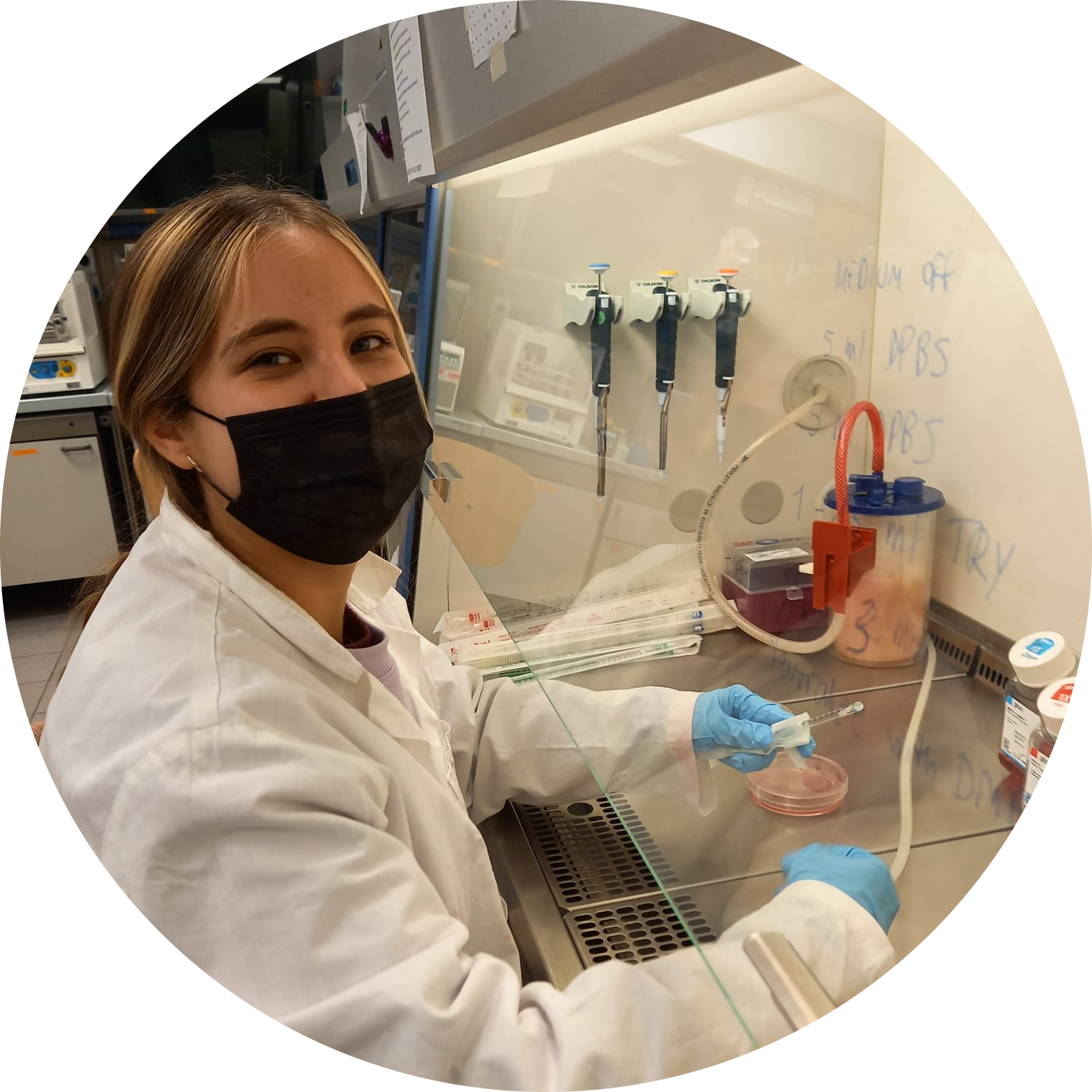

Flexibility meets quality and scale
Finding solutions to all of these challenges was a major bottleneck for the burgeoning field of single-cell mass spectrometry proteomics.







De novo atomic protein structure modeling for cryoEM density maps
Cryo2Struct determines atomic structures of large proteins directly from cryo-EM density maps, advancing biomedical research and drug design.


Characterizing amphioxus development at the single-cell level: understanding chordate nervous system development
Our team uncovers new amphioxus central nervous system (CNS) cell types and we highlight three developmental origins for the vertebrate nervous system.

AAV-CXCL9 Combination Immunotherapy: A Promising Strategy in the Treatment of Glioblastoma
Investigators at the University of Florida Brain Tumor Immunotherapy Program developed a novel immunotherapy combining AAV gene therapy and anti-PD-1 immune checkpoint blockade to overcome immune suppression in glioblastoma.

Dysfunctional Protein-Protein Interactome (dfPPI): A Platform for Systems-Level Analysis of PPI Alterations in Disease
Explore Dysfunctional Protein-Protein Interactome (dfPPI): Revealing how aberrant protein interactions drive cancer and neurodegeneration, guiding mechanistic insights and therapeutics innovations.

Parkinson's Disease: Can Metabolomics Predict and Explain Its Onset?
The uncertain pathogenesis of Parkinson's disease (PD) is suspected to predate symptom onset. Our study delves into the metabolic associations of PD before and after its onset to provide additional insights into its multifaceted aetiology.